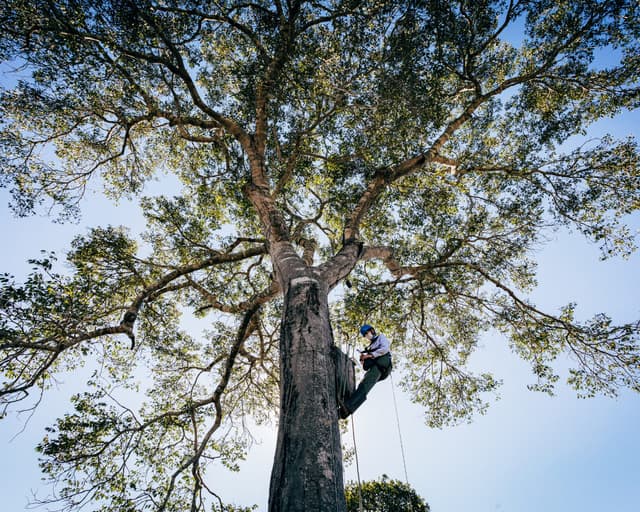
Conservation Adventure Trips in Brazil
Wildlife conservation holidays in Brazil, built around the parks, projects, and people keeping the wild intact.
4 trips found

A Pantanal luxury safari at Caiman: 4 days of jaguar safaris, canoeing, and full-board comfort in a 53,000-hectare Southern Pantanal reserve.
from $ 2,550
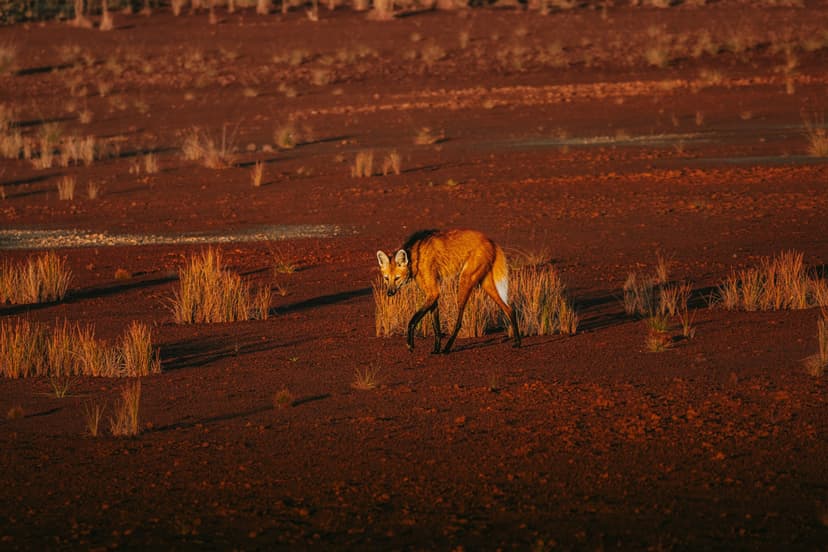
Pousada Trijunção blends exclusivity and wildlife in the Cerrado: 5 days, 4 nights, maned wolf sightings with Onçafari, and 270+ bird species.
from $ 2,100

Stay deep in the Southern Amazon at Cristalino Lodge, a luxury eco-lodge of forest trails, river canoeing and 50 m canopy towers in a private reserve.
from $ 3,000

A 10-day luxury Pantanal and Amazon trip: track jaguars by 4x4 at Caiman in the Southern Pantanal, then the Cristalino rainforest lodge, Amazon.
from $ 7,550
What our travelers say
Real feedback from guests who joined our conservation trips across the Pantanal, the Amazon, Abrolhos, and Fernando de Noronha.
Wildlife conservation holidays in Brazil: Travel that pays the wild back
A wildlife conservation holiday is a trip built around the places and projects keeping Brazil’s ecosystems intact, not just around the view. The country holds close to 10% of all species known to science across six wildly different biomes, so the chances to travel with conservation in mind are unusually concrete here. These are small-group and private tours: most run with 8 to 16 guests or fewer, stay in lodges and parks that fund the land around them, and put a local guide or researcher between you and the wildlife.
The clearest example sits in the Pantanal, the world’s largest tropical wetland at more than 210,000 km² and home to 656 bird species and 159 mammals. Its northern reaches around Porto Jofre hold the densest jaguar population on Earth and at Caiman, the only ranch in the Southern Pantanal where jaguars are reliably tracked. Most Pantanal lodges are working cattle farms turned ecotourism areas, so a jaguar conservation trip here funds the science and the habitat at once.
Off Bahia, the Abrolhos Marine National Park, Brazil’s first marine park (created in 1983, covering 87,943 hectares), shelters the largest coral reefs in the South Atlantic and acts as a humpback whale nursery from June to November. Further north, Fernando de Noronha, a UNESCO World Heritage Site since 2001, runs on a visitor conservation tax and hosts the Tamar sea turtle project, which has protected green and hawksbill turtles in Brazilian waters for decades.
Back inland, the Amazon covers about 5.5 million km² with roughly 60% inside Brazil. At lodges like Juma and the Amazon Turtle Lodge, guests plant trees in active reforestation plots and visit caboclo communities whose income now depends on the forest standing rather than falling. Sustainable tourism is the funding model across all of this, not a label.