
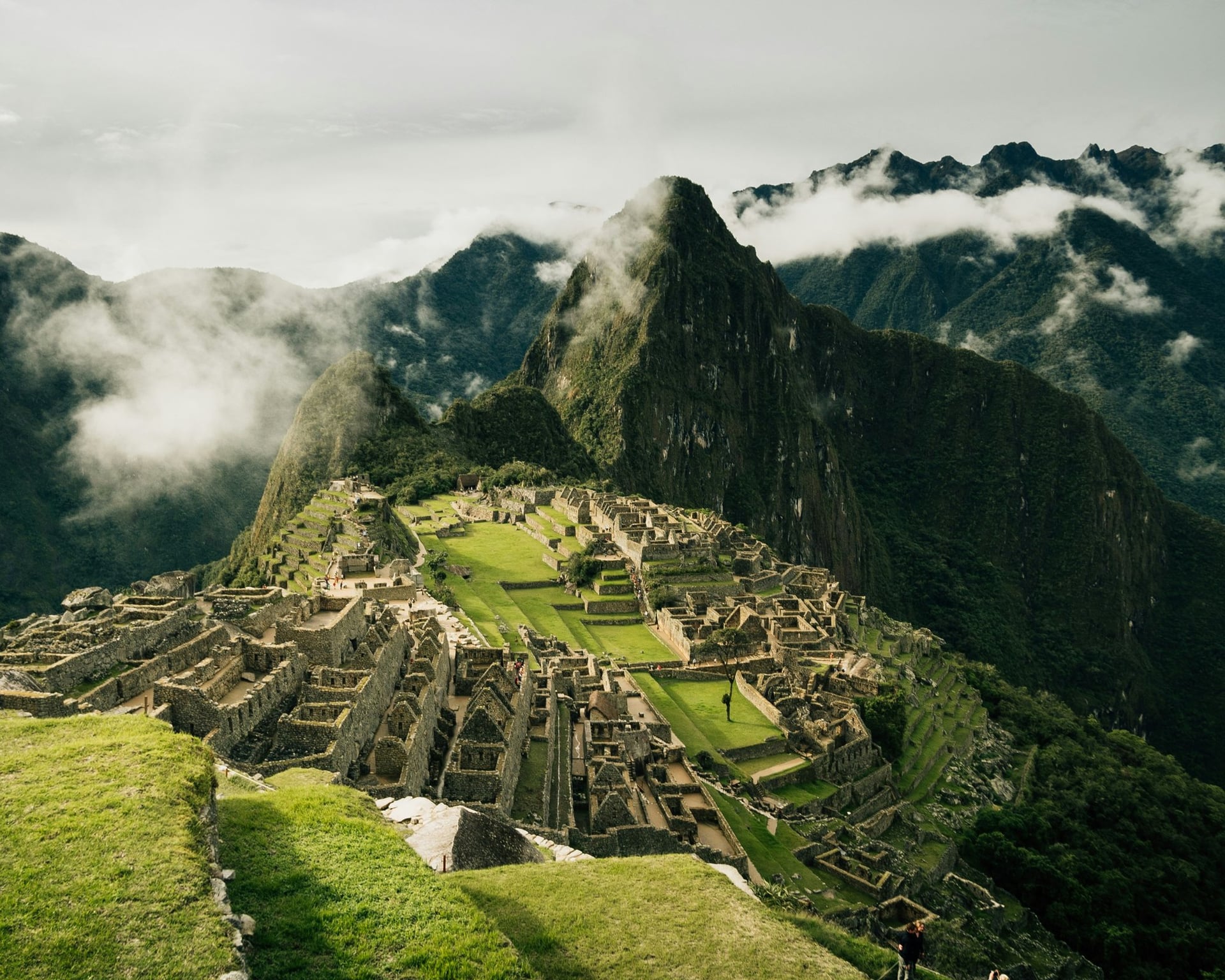
What each of the 10 routes shows, how long you can stay, which circuit to choose for your trip, and how to book the right ticket.
Machu Picchu is not a site you walk freely on. Since 2024, Peru’s Ministry of Culture splits the visit into 3 circuits and 10 routes, which replaced the 5 circuits used since 2021. Each ticket gives you one route, one way, at a fixed hour, with a daily cap of 5,600 visitors in high season and 4,500 the rest of the year.
So which of the Machu Picchu circuits shows you what? The route you pick decides whether you get the postcard view, walk through the Inca city, or climb a mountain, while some combinations simply do not exist on one ticket.
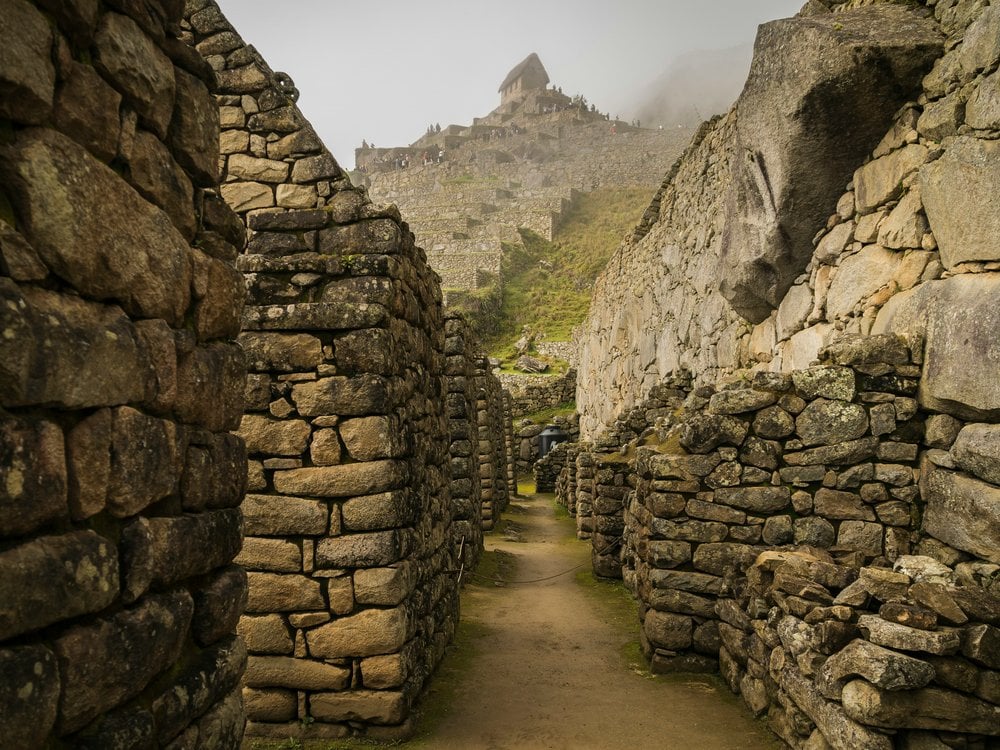
PlanetaEXO, an ecotourism platform specializing in Peru tours, has put together this guide to help you choose. Check it out below!
How the Machu Picchu circuits work
The Machu Picchu circuits split the site by height. Circuit 1 stays high, on the terraces above the city. Circuit 2 starts at a viewpoint and then walks down through the city. Circuit 3 enters from below and stays in the lower sector, with the climbs to the peaks behind it. Inside each circuit, the routes are the specific path your ticket allows.
A few rules apply to all of them:
- One way, one entry: you cannot double back or go out and come in again. Additionally, the guards at the start of each circuit check that your ticket matches your path.
- Fixed entry hour: slots run every hour from 6 AM to 3 PM, with 30 minutes of tolerance (45 minutes from 1 June to 15 October and on 30 and 31 December). The mountain checkpoints have no tolerance at all.
- Maximum stay: 2h30m on Circuit 2 and on the short routes (1-B and 3-B), and 3 to 7 hours on the routes with a trail or a climb.
- Named ticket: it carries your name and passport number. The passport you show at the gate must be the one you booked with.
- Bathrooms only outside: there are none inside the site.


Machu Picchu routes at a glance
These are the 10 Machu Picchu routes as the Ministry of Culture names them, with the visit times our local partner works with. The official site publishes a map of each route, and you can check it on the Tu Boleto page before buying.
The numbers below are typical visit lengths, not limits. Each official route map sets a longer maximum stay, from 2h30m on the short routes to 7 hours on Machu Picchu Mountain and the Great Cavern.
| ROUTE | WHAT YOU SEE | CLASSIC VIEW? | WALK THROUGH THE CITY? | TIME | SEASON |
|---|---|---|---|---|---|
| 1-A Machu Picchu Mountain | Guardian’s House, upper terraces, climb to the 3,082 m summit. | Yes | No | 4 to 5 h | All year |
| 1-B Upper Terrace | Postcard viewpoint only. | Yes | No | About 1 h | All year |
| 1-C Intipunku (Sun Gate) | Upper terraces and the trail to the Sun Gate. | Yes | No | 2 h 30 to 3 h | High season |
| 1-D Inca Bridge | Upper terraces and the cliffside path to the Inca Bridge. | Yes | No | About 2 h | High season |
| 2-A Classic designed route | A viewpoint, then the quarries, temples, main plaza and Sacred Rock. | Yes | Yes | 2 h 30 | All year |
| 2-B Lower Terrace | The same walk, from a slightly different terrace. | Yes | Yes | 2 h 30 | All year |
| 3-A Huayna Picchu | The lower city and the climb up Huayna Picchu. | No | Lower sector | 3 to 5 h | All year |
| 3-B Royalty designed route | Temple of the Sun, the Inca’s House, Temple of the Condor. | No | Lower sector | About 2 h | All year |
| 3-C Great Cavern | The lower city and the Temple of the Moon. | No | Lower sector | About 3 h | High season |
| 3-D Huchuy Picchu | The lower city and the short climb up Huchuy Picchu. | No | Lower sector | About 3 h | High season |
High season runs from 19 June to 2 November, plus a few holiday days around New Year and Easter—exact dates are published each year. Routes can also close for maintenance, so check the route list on Peru’s Ministry of Culture official website when you buy.
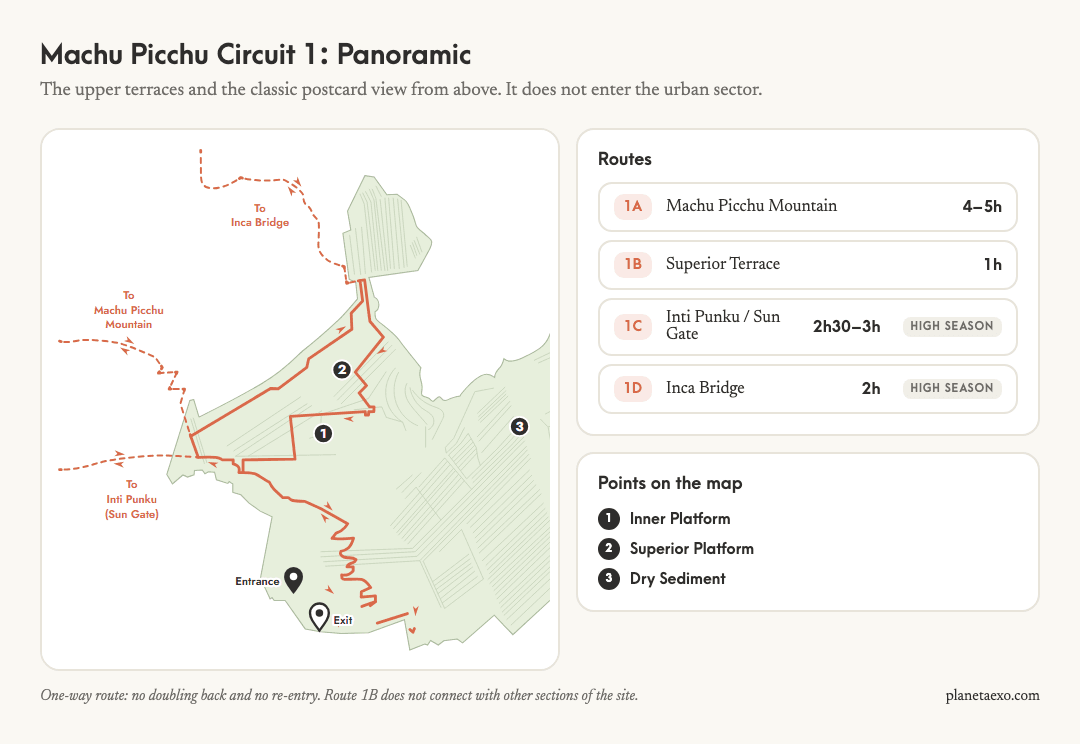
Machu Picchu Circuit 1: the panoramic circuit
Circuit 1 is the one for the photo everyone knows, taken from the upper terraces next to the Guardian’s House. It does not enter the urban sector; you see the temples and plazas from above, but you never walk among them. Route 1-B is the shortest of all, about 1 hour (reach the viewpoint, take your photos, and leave).
The other three routes add a walk:
- Route 1-A: climbs Machu Picchu Mountain to 3,082 m (10,111 ft), about 4 to 5 hours round trip, for adults 18 and over only. The official route map sets a maximum stay of 7 hours; from January 2027, it drops to 6h30m, entry to the mountain trail closes at 10 AM, and you must leave the summit by noon.
- Route 1-C: goes to the Sun Gate, where the Inca Trail arrives. Open in high season only.
- Route 1-D: follows a narrow cliffside path to the Inca Bridge, with steep drops that are hard for anyone with vertigo. Open in high season only.
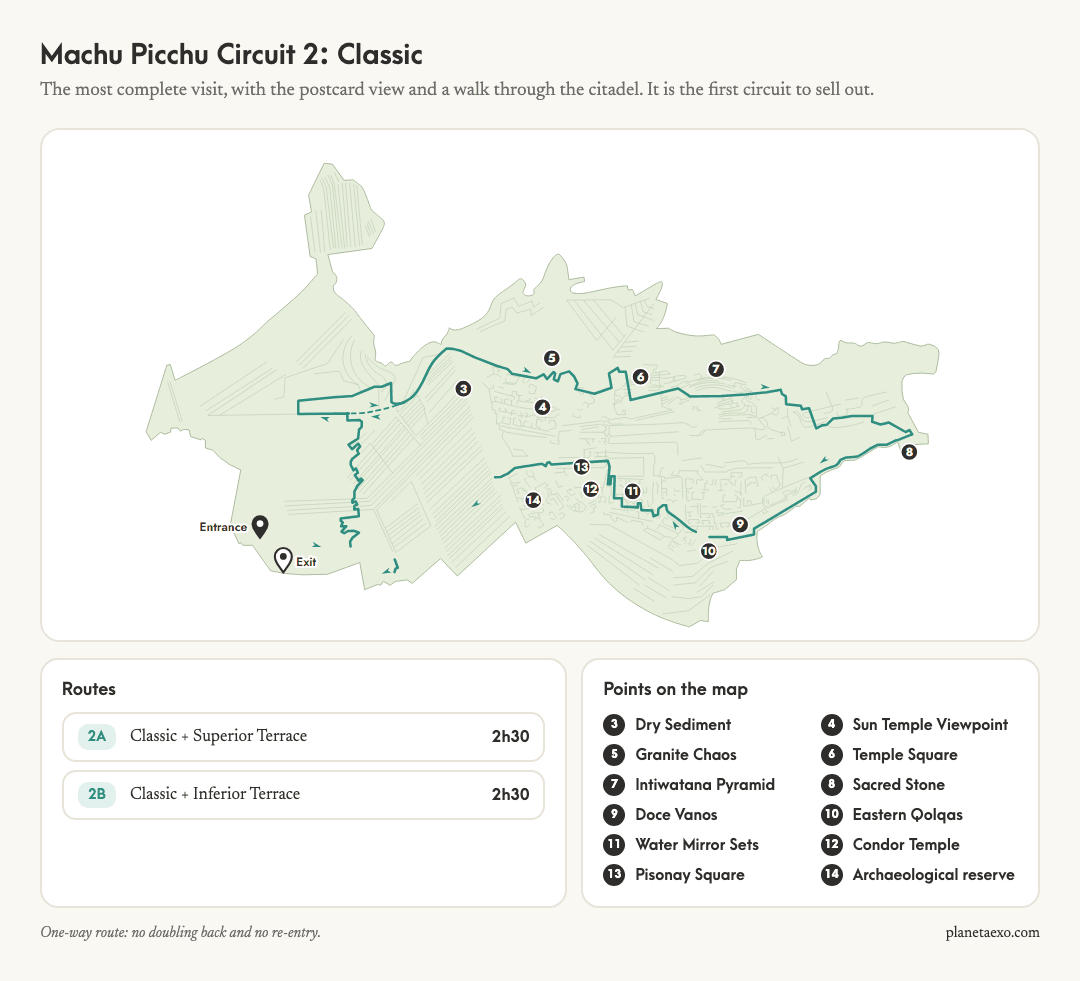
Machu Picchu Circuit 2: the classic circuit
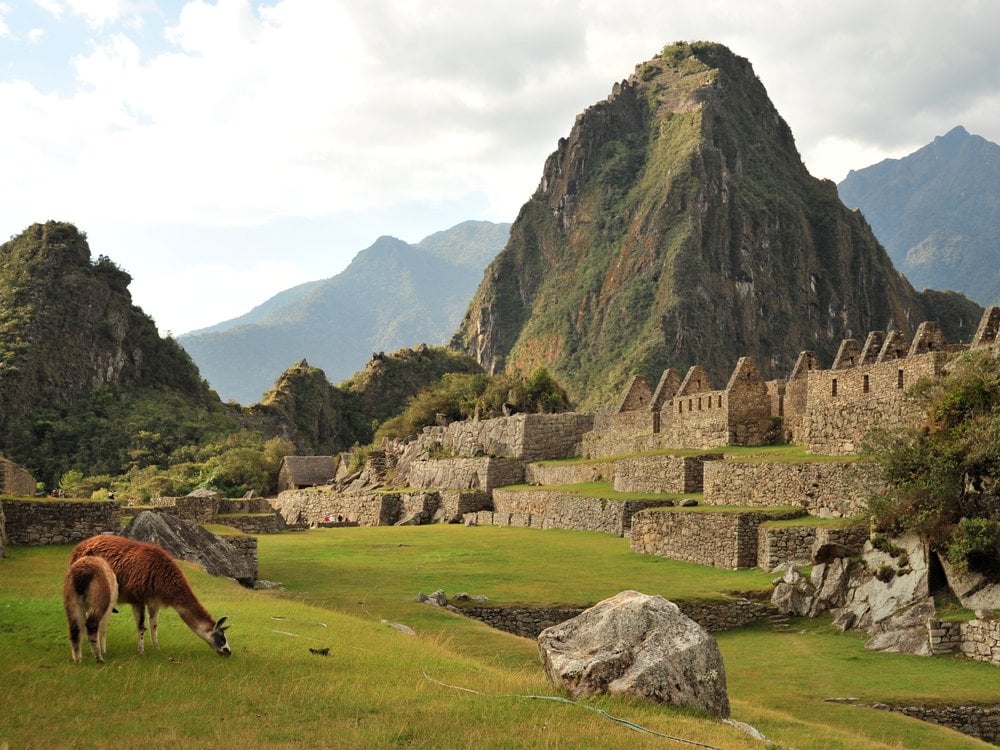
Circuit 2 is the only one that gives you both the classic view and a walk through the city. The photo is taken from a platform just below the Guardian’s House.
The route goes down through the quarries to the Temple of the Sun, the Main Temple, the Temple of the Three Windows, the Sacred Rock, the water mirrors, and the agricultural terraces. The maximum stay is 2h30m.
- Route 2-A (Classic Designed Route): reaches the viewpoint from the upper terraces. It is the first ticket tour operators try to buy and the first to sell out.
- Route 2-B (Lower Terrace): reaches the viewpoint from the lower terraces, with the same walk through the city; it serves as the natural fallback when 2-A sells out.
Machu Picchu Circuit 3: the royalty circuit
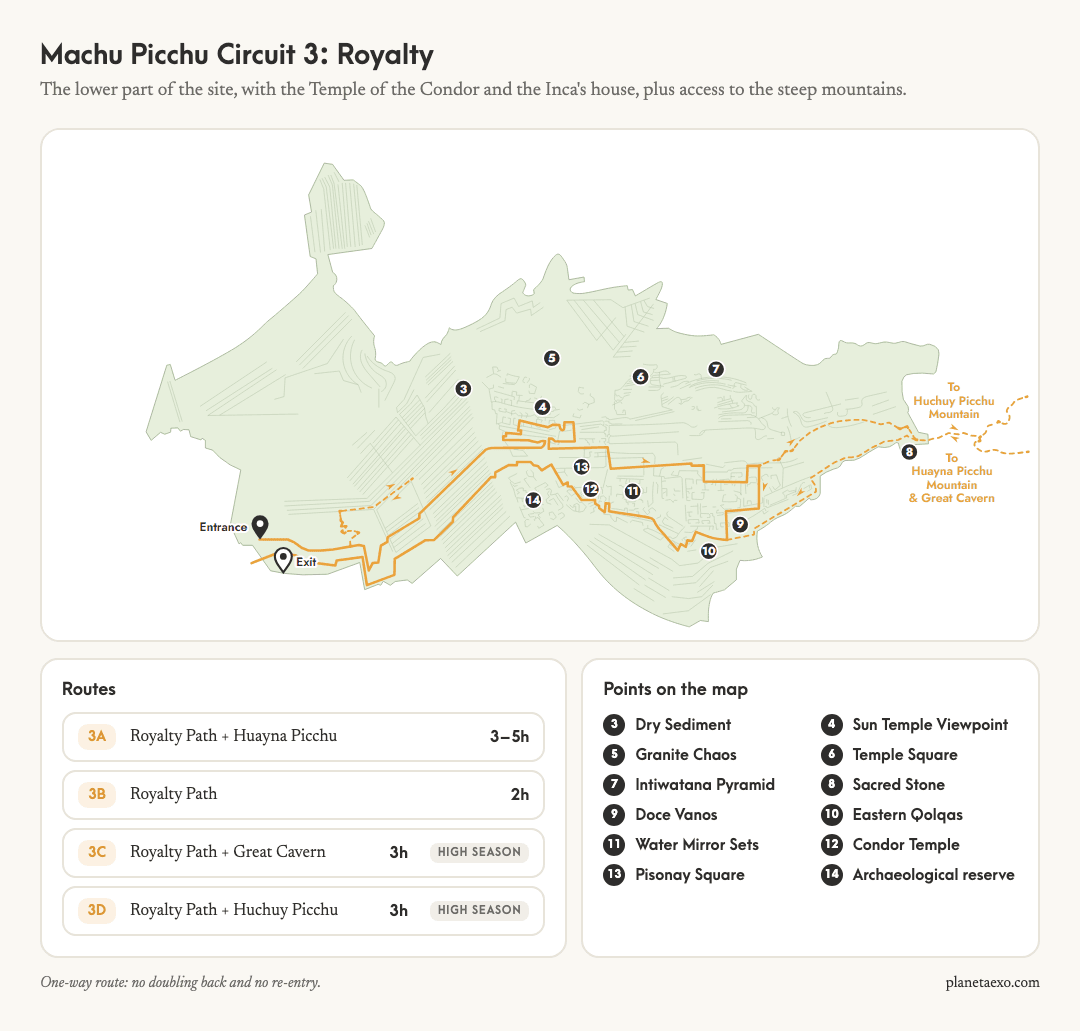
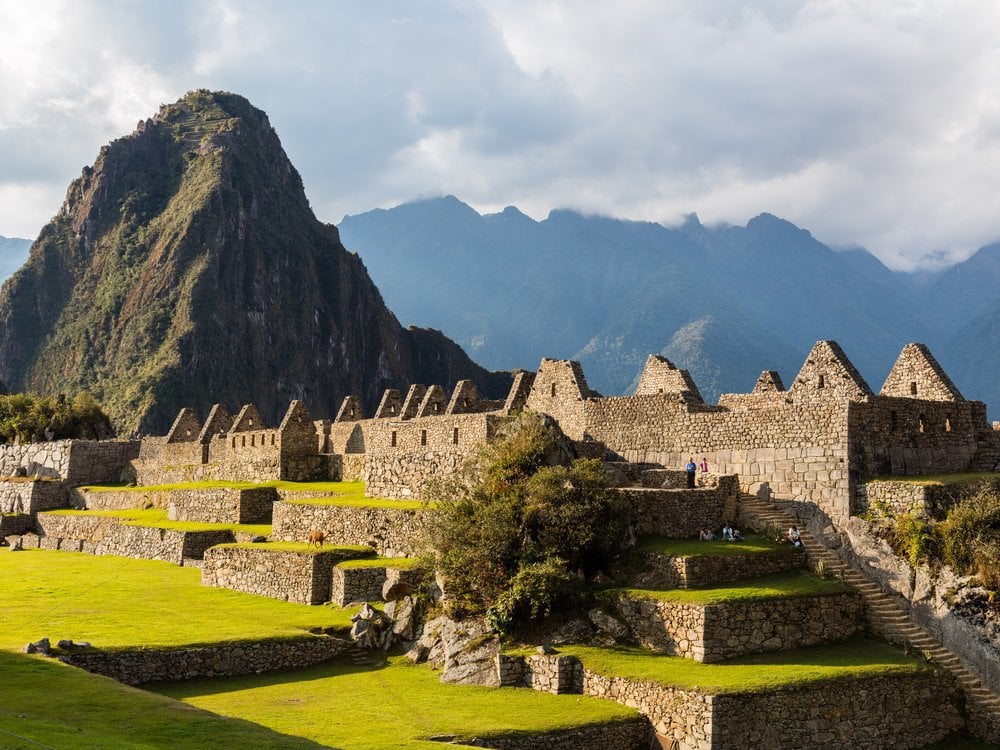
Circuit 3 enters from the lower gate and stays in the lower sector, where the Inca nobility lived: the Inca’s House, the Temple of the Condor, the area of the Three Doorways, and the Temple of the Sun seen from below.
From the agricultural terraces, you get a view of the city with Huayna Picchu behind it, but a lower one than the classic shot from the upper terraces.
Its four routes are built around the climbs:
- Route 3-A (Huayna Picchu): the steep peak in the classic photo, with narrow stone stairs and ropes. The climb to the summit takes about 1 hour, and the whole visit (with the lower city) is 3 to 5 hours. The official route map sets a maximum stay of 6 hours; from January 2027, it drops to 5h30m, with entry to the trail until 10 AM. Adults 18 and over.
- Route 3-B (Royalty): the shortest version, about 2 hours, with no climb. Machu Picchu circuit 3B is the least demanding route and is partly wheelchair accessible, though travelers with limited mobility still report rough stone steps and few handrails.
- Route 3-C (Great Cavern): a longer walk to the Temple of the Moon, a ceremonial cave behind Huayna Picchu, with many stone stairs. High season only.
- Route 3-D (Huchuy Picchu): a short climb to the small peak beside Huayna Picchu for a view over the city without the big ascent. High season only.
Which Machu Picchu circuit is best?
For a first visit, Circuit 2 (the classic one) is the most recommended, as it is the only one that combines the view and the city. Tour operators in Cusco buy tickets in the same order, 2-A first, then 2-B, then 3-B, and use Circuit 1 (usually 1-B) as the last resort.
Therefore, the best Machu Picchu circuit depends on what you want most:
- First visit, one ticket: route 2-A or 2-B.
- Short on time, photos only: route 1-B.
- Hikers: route 3-A for Huayna Picchu or 1-A for Machu Picchu Mountain.
- Limited mobility: route 3-B.
- The Sun Gate or the Inca Bridge: routes 1-C or 1-D, high season only.
👉 Read more: The 7 Best Treks in Peru, from Salkantay to Huayhuash and Ausangate
Machu Picchu Circuit 1 vs. 2
Both give you the classic view. The difference is what comes after: Circuit 2 walks you through the temples and plazas for up to 2h30m, while Circuit 1 (except the mountain and trail routes) ends at the viewpoint.
If you can only get Circuit 1, the mountain route (or the Sun Gate route, in high season only) at least adds a hike.
Circuit 2 sold out? Combine Circuits 1 and 3
As long as the times do not overlap, it is possible to get two tickets for the same day. In this way, Circuit 1 offers scenery, while Circuit 3 takes you to the city.
You pay twice, but the two circuits combined cover almost everything included in Circuit 2.
Huayna Picchu vs. Machu Picchu Mountain
The two mountain routes come with different circuits, which matters more than the climb itself.
Tickets for Huayna Picchu belong to Circuit 3—get the steeper, shorter climb and the lower city, but not the upper terraces. Meanwhile, tickets for Machu Picchu Mountain belong to Circuit 1, with the classic view and the highest summit, but not the walk through the city.
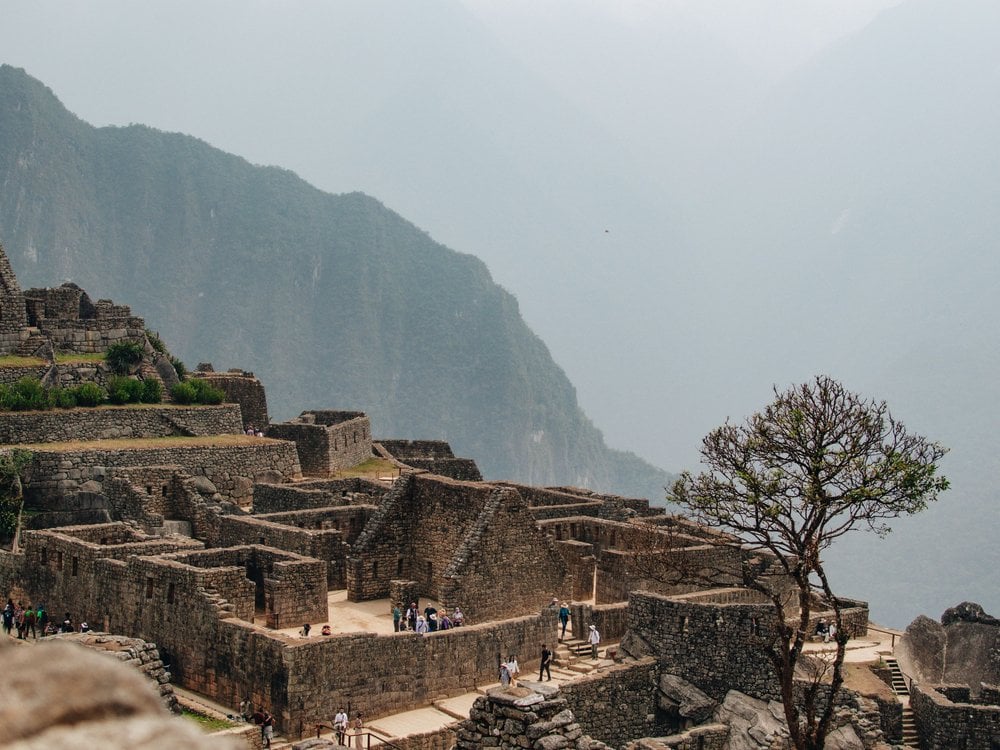
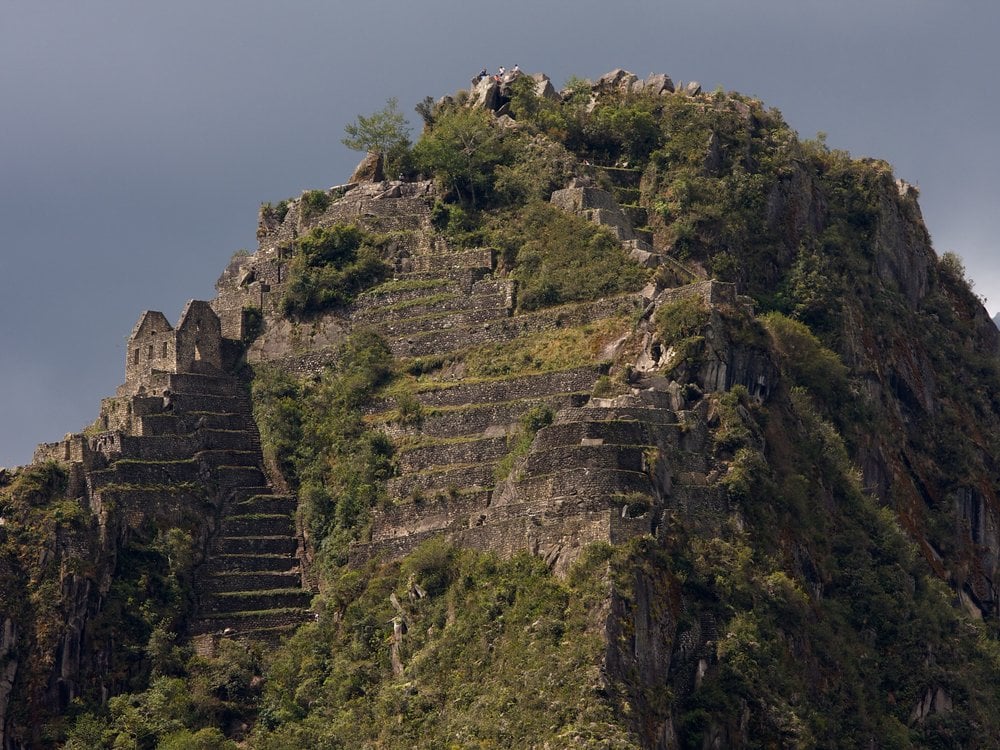
Huayna Picchu is more exposed, with narrow stairs and a small summit just above the ruins. Machu Picchu Mountain is the longer climb, almost all uphill, with wider views over the valley.
Opinions split on which is harder, but both start early: the mountain checkpoints have no entry tolerance. From January 2027, both trails and the Great Cavern route will close to new hikers at 10 AM.
How to book Machu Picchu tickets for your circuit?
Machu Picchu tickets are sold by route, so choose the circuit first and the date second. The only official online channel is the Ministry of Culture’s Tu Boleto website, where Machu Picchu appears as Llaqta Machupicchu.
See a step-by-step below:
- Create your account a day before you buy, with your passport. Confirm your email and check to make sure the code didn't land in spam.
- Choose the circuit, route, date, and hour. In case of unavailability, keep a second option in mind.
- Enter each passport exactly as printed. “Primer apellido” is your first surname, not your first name.
- Pay for the tickets. Reservations without payment no longer exist. The slot is held for 15 minutes and then goes back on sale. Visa and Mastercard are accepted.
- Download and print the ticket. In Machu Picchu, carry the passport you booked with.
The Machu Picchu ticket price for a foreign adult is S/ 152 (~US$ 45) on the standard routes, plus a S/ 11 (~US$ 3) conservation fee. The mountain routes cost more, around S/ 200 (~US$ 59), plus the same S/ 11 fee.
Don’t want to worry about bookings? Count with the assistance of travel experts for Machu Picchu, like PlanetaEXO’s team!
When should you book your Machu Picchu tickets?
In high season, Circuit 2 and the mountain routes sell out first, so buy as soon as your dates are fixed, ideally 3 months or more ahead.
If they are gone, Peru’s Ministry of Culture sells up to 1,000 tickets a day in person at its cultural center in Aguas Calientes for the next day only. Make sure to bring the passports of everyone in your group and cash in soles. Spare an extra night as well.
Which Machu Picchu circuit do treks and tours include?
If you hike in, the circuit works a little differently. An Inca Trail permit covers your arrival at Machu Picchu through the Sun Gate, but the full guided visit runs on a separate ticket.
On the classic trek and on the Short Inca Trail, PlanetaEXO’s local partner enters hikers through the Sun Gate on an arrival ticket registered as route 3-B (not 1-C, the Sun Gate route sold to day visitors) and buys a Circuit 2 ticket (2-A when available) for the guided visit the next morning.
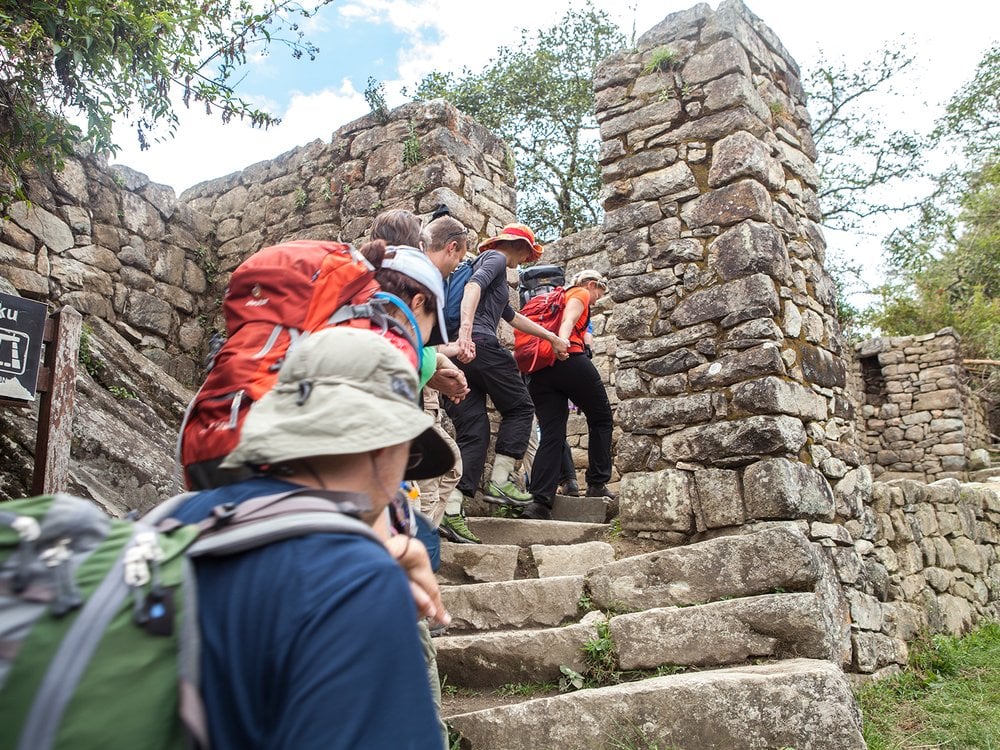
Booking a tour also changes who buys the ticket. Operators can only buy what is left on Tu Boleto, so they follow the same priority (2-A, 2-B, 3-B) and tell you the circuit and entry hour as soon as the ticket is issued. Booking early is what gets Circuit 2.
This is what PlanetaEXO’s treks to the citadel include:
- Inca Trail to Machu Picchu: Premium 5-Day Trek: the Inca Trail permit, the Machu Picchu entrance ticket, and a guided tour of the citadel.
- 5-day Salkantay Trek: The Classic Route to Machu Picchu: the Machu Picchu ticket, the bus up, and a guided visit of about 2h30m; a Huayna Picchu permit can be added in advance.
- 8-day Salkantay Trek to Machu Picchu with the Sacred Valley: the same ticket and guided visit, after a tour of the Sacred Valley.
- 5-Day Ancascocha Trek and Short Inca Trail to Machu Picchu: the Short Inca Trail to the Sun Gate on its own permit, plus a guided tour of Machu Picchu on the last day.
👉 Read more: How to Hike the Salkantay Trail to Machu Picchu in Peru – Travel Guide
Tips for the day of your visit to Machu Picchu circuits
- Arrive early for your slot: the bus from Aguas Calientes takes 25 to 30 minutes and costs US$12 one way; walking up takes about 1h30m.
- Keep your passport in a zip-lock bag: it is checked several times, and the weather changes fast.
- Use the bathroom before you go in: there are none on any of the circuits.
- Leave tripods, umbrellas, walking sticks, and backpacks larger than 40 × 35 × 20 cm (16 × 14 × 8 in) behind: the site’s official code of conduct does not allow them.
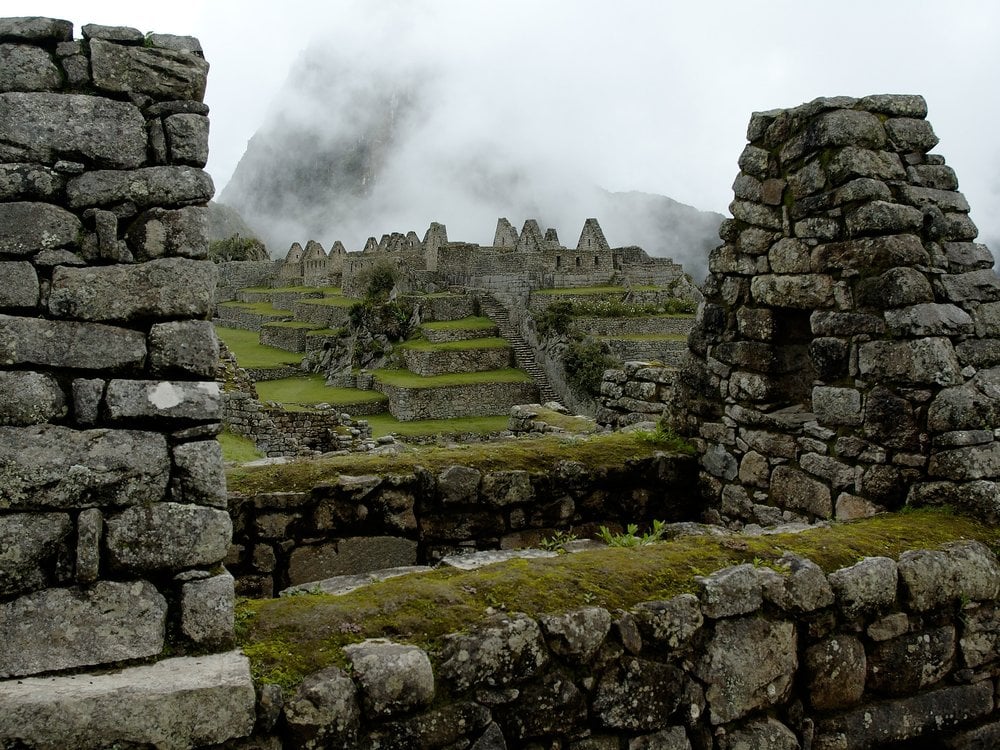
- Take your photos when the fog lifts: mornings often start in mist that can cover the city for an hour or more.
Ready to visit Machu Picchu? Plan your trip with PlanetaEXO!
Now that you know how the Machu Picchu circuits work, it is time to choose your route and see the citadel up close!
PlanetaEXO is an ecotourism platform specializing in Peru trekking tours. We work with the best local operators in Cusco, who book your Machu Picchu ticket, trains, and guides so you don’t have to worry about anything besides enjoying your trip. Contact us now!
Frequently asked questions
How much does it cost to go to Machu Picchu?
The entrance is the smallest part of the bill. A foreign adult pays S/ 152 (~US$ 45) for the standard routes plus the S/ 11 (~US$ 3) conservation fee and around S/ 200 (~US$ 59) for the mountain routes (the fee applies to both), so the Machu Picchu ticket price depends on the circuit you choose.
How long does it take to visit Machu Picchu?
It depends on the route on your ticket. 1-B takes about 1 hour; the classic Circuit 2 allows up to 2h30m; and the mountain routes take 3 to 5 hours, with a maximum stay of 7 hours on Machu Picchu Mountain and 6 hours on Huayna Picchu (6h30m and 5h30m from January 2027).
Add about 30 minutes each way for the bus from Aguas Calientes and time in line at the entrance. Most visitors spend half a day; if you want to see more of the site, book two Machu Picchu circuits on the same day with entry hours that do not overlap.
Do you need a guide for Machu Picchu?
Yes. Since 2017, official rules require a licensed guide to enter Machu Picchu. Standard tickets do not include guide service, so arrange one in advance (guided tours include it) or hire a licensed guide at the entrance.
What is the best time of day to visit Machu Picchu?
The first entry slots (6 and 7 AM) have the fewest people, but the site often starts in mist, which can cover the city for an hour or more before it lifts. Late morning brings clearer views and the biggest crowds.
The last slots, in the early afternoon, are quieter again as day-trippers leave, with softer light for photos. Whatever hour you choose, your entry time is fixed, so plan your train and bus around it.
What time does Machu Picchu open?
The first entry slot is at 6 AM and the last at 3 PM, with 30 minutes of tolerance (45 minutes from 1 June to 15 October and on 30 and 31 December). The buses from Aguas Calientes start running at about 5:30 AM.
The mountain checkpoints of Machu Picchu Mountain, Huayna Picchu, and Huchuy Picchu have no tolerance at all, so arrive early if your route includes a climb.
When is the best time to visit Machu Picchu?
For clear skies, the dry season from May to October is the best time to visit Machu Picchu, though crowds peak from June to August. The rainy season (November to April) is greener and quieter, with more fog and afternoon showers.
The season also changes which Machu Picchu circuits you can book: four routes (1-C Sun Gate, 1-D Inca Bridge, 3-C Great Cavern and 3-D Huchuy Picchu) only open in high season, from 19 June to 2 November. The Inca Trail closes in February, but Machu Picchu itself stays open all year.
Is Machu Picchu wheelchair accessible?
Partially. Circuit 3B, the royalty route, is the least demanding of the Machu Picchu routes and is partly wheelchair accessible, with a wheelchair viewpoint. The rest of the site is built on terraces and stone stairs.
Still, travelers with limited mobility report rough stone steps, few handrails, and few places to sit. Plan the visit with your guide and allow extra time.
Keep reading
November 17, 2026
The Ausangate Trek, Peru: Complete Guide to the Circuit Around Cusco’s Sacred Mountain
Plan a trek around Ausangate, Cusco’s sacred peak: the circuit route, passes above 5,000 m, how hard it is, the best months, and choosing camping or lodges!
November 11, 2026
The Inca Trail to Machu Picchu: Permits, Route, Difficulty, and When to Go
Plan the Inca Trail to Machu Picchu: how permits work and when they sell out, the route day by day, how hard it is, and the best months to go!
November 7, 2026
How to Hike the Salkantay Trail to Machu Picchu in Peru – Travel Guide
Plan your Salkantay Trail hike to Machu Picchu in Peru, with the route, Humantay Lake, high pass, best season, days, where to sleep, and Salkantay vs Inca Trail!