Located in the southern Andes at an altitude of 3,399 m, Cusco, Peru, served as the Inca Empire’s capital until 1532 and was designated a UNESCO World Heritage Site in 1983. Spanning 71,986 km², the broader region stretches from lowland rainforest at 532 m all the way to the peak of Ausangate at 6,384 m.
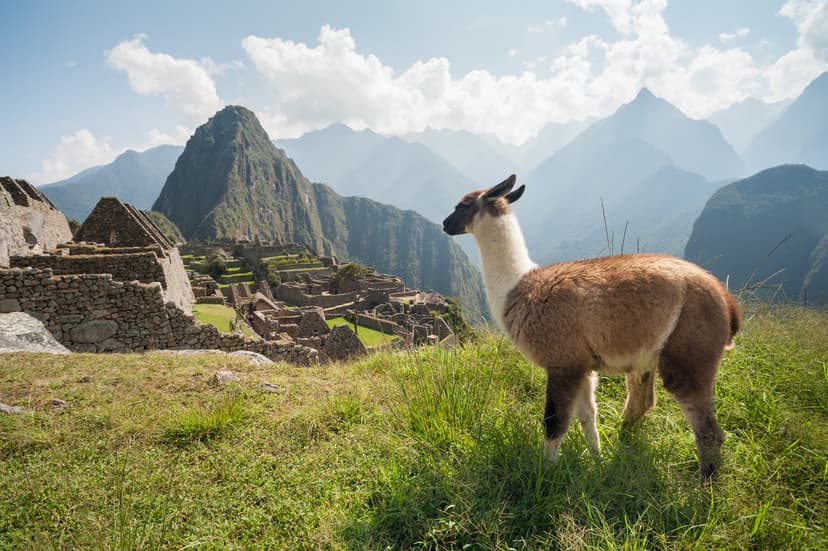
While many reach Machu Picchu (2,430 m) by train, our Cusco adventure tours arrive on foot. The classic Inca Trail covers 44 km in 5 days over Dead Woman’s Pass (4,228 m) under daily permit caps. The permit-free Salkantay route reaches 4,630 m below the 6,271 m peak, passing Humantay Lake. Alternatively, the quieter Ancascocha trek (46 km) crosses a 4,500 m pass before joining the Short Inca Trail through the Sun Gate.
For remote Andes hiking, the Ausangate trek circles a 6,384 m peak in the Cordillera Vilcanota (100 km southeast of Cusco) with passes over 5,000 m, alpaca herds, and wild vicuñas. The 5-day Ausangate lodge-to-lodge trek reaches Rainbow Mountain (Vinicunca) on foot on day 4, avoiding the standard bus tour. Nearer to Cusco, where most Sacred Valley tours are single-day excursions, our itineraries feature overnight stays in valley villages, Inca terraces, and daily walks of 3.4 to 8.5 km.
Accommodation varies by route, ranging from mountain lodges with hot showers and outdoor hot tubs to cabins, domes, or budget double-tent camps. Departures require at least 2 guests, with group sizes capped at 12 to 16. Key planning factors include the April to October dry season and Cusco’s starting altitude of 3,399 m. Compare the trials on this page to find your best fit!