
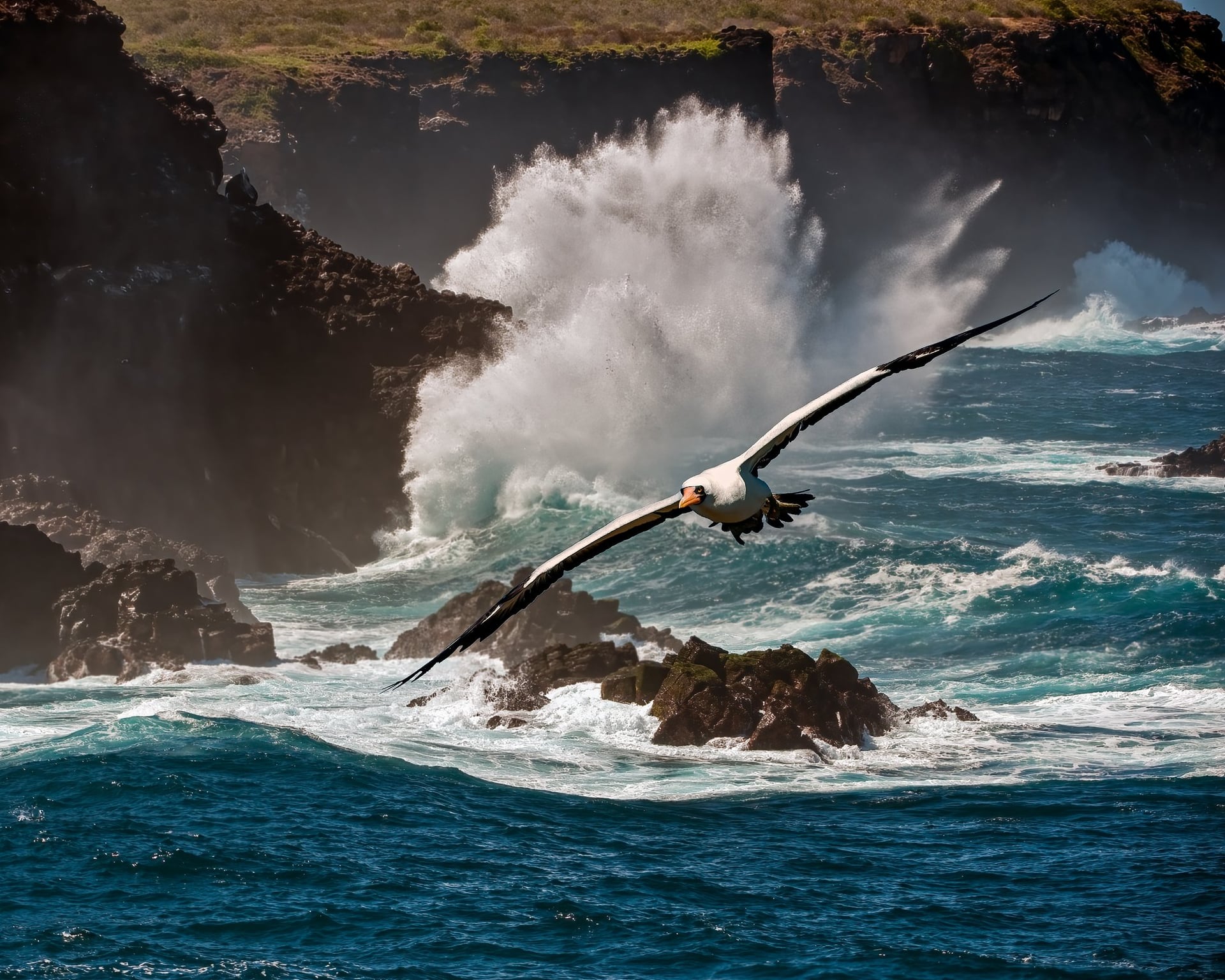
Find information on flights, fees, entry requirements, how to travel between the islands, and useful tips for a smooth trip!
The Galápagos Islands sit about 1,000 km (600 mi) off the coast of Ecuador. There is only one way in for visitors: a domestic flight from Quito or Guayaquil. No passenger ferry runs from the mainland to the islands (boats only connect the islands to each other), and no international flight lands there, so every trip includes at least one stop in mainland Ecuador.
Before boarding, you need a transit card, a biosecurity check of your bags, and an online declaration. Upon landing, travelers pay the national park fee in cash or by card. Each step has its own counter, form, and rule. Want to know exactly how to get to Galapagos without surprises at the airport?
PlanetaEXO, an ecotourism platform specializing in Galápagos Islands tours, has put together this guide to help with your travel planning. Check it out below!
How to get to the Galápagos Islands, step by step
This is how to get to Galápagos, in order:
- Fly to Quito or Guayaquil on your international flight and plan to sleep there; most flights to the islands leave in the morning.
- Register your Transit Control Card (TCT) online before the trip and pay the fee by card.
- Fill in the biosecurity sworn declaration online, up to 48 hours before the flight, and save the QR code on your phone.
- At the airport, about 3 hours early, validate the TCT at the Galápagos Government Council counter, put your bags through the biosecurity inspection, and then check in.
- Land at Baltra or San Cristóbal, show your TCT and declaration, and pay the park entry fee.
- Keep the TCT and the park receipt until you fly back to the mainland.


Flights to Galápagos: Quito or Guayaquil?
All flights to Galápagos depart from mainland Ecuador, serviced by LATAM (operating routes from Quito [UIO], Guayaquil [GYE], and Cuenca [CUE; with a stop in Quito] to Baltra, as well as Quito to San Cristóbal) and Avianca (connecting both island airports).
Nonstop flights from Quito take about 2 hours and 15 minutes to reach Baltra. However, several flights stop briefly in Guayaquil, in which passengers have to stay on board. The archipelago is one hour behind mainland Ecuador; tickets show local times for each airport.
Deciding between departure cities depends on your travel plans. Flying from Quito to Galápagos makes sense if you plan to explore the Andes or the city’s historic center, serving as the starting point for most land tours. Choosing Guayaquil to Galápagos offers a shorter direct flight (roughly 1 hour and 50 minutes to 2 hours), making it ideal if your incoming international flight arrives late.
Whatever option you choose, keep these four essential tips in mind before booking your tickets:
- Book a round trip: the transit card requires a personal return ticket between the mainland and the islands.
- Spend a night on the mainland: international arrivals rarely connect with the morning flights; the airport steps take time.
- Check what your fare includes: travelers on budget fares paid extra for checked bags; if you plan an inter-island flight later, the baggage limit is much lower.
- Book early for the busy months: official visitor figures show two peaks, March to April and July to August, so book your flights well ahead for those months.
Galapagos airport guide: Baltra or San Cristóbal?
Your choice between the two mainland-serviced airports shapes how your initial hour in the archipelago unfolds.
Baltra Airport (Seymour Galápagos Ecological Airport, GPS)
Baltra Airport, officially Seymour Airport and also known as the Galápagos Ecological Airport, is on a small island just north of Santa Cruz, the most visited island of the archipelago.
It receives flights from Quito, Guayaquil, and Cuenca (via Quito). Many cruises start here as well. There is no town on Baltra, so you continue by bus, a short ferry across the Itabaca Channel, and a road across Santa Cruz to Puerto Ayora. Plan about 1 hour to 1 hour 20 minutes in total.
San Cristóbal Airport (SCY)
San Cristobal Airport sits right next to Puerto Baquerizo Moreno, which means your hotel is a short walk or a US$2 taxi ride away. LATAM and Avianca fly here from Quito, usually with a short stop in Guayaquil; Avianca has fewer flights on this route. Some cruises and land tours also start here.
Many independent travelers fly into one airport and out of the other, which saves one boat crossing. Isabela Island also has a small airport, but no flights from the mainland.
From Baltra Airport to Puerto Ayora
If you land at Baltra on your own, the trip to Puerto Ayora has three legs. See the average costs (2025–2026), keeping in mind that prices may change:
- Bus to the Itabaca Channel: about 10 to 15 minutes, around US$5, from right outside the terminal.
- Ferry across the channel: about 10 minutes, US$1.30 (official fare). Your bags travel on the roof.
- Bus or taxi to Puerto Ayora: about 42 km (26 mi) from the channel and 45–60 minutes. The bus costs US$2.50 to US$5, while a taxi (for up to four people) costs around US$25 to 30 from the channel to the center of town.
For travelers with a pre-booked cruise or tour, transfers are typically organized with a guide meeting you directly at the arrivals hall. When returning to the airport, be sure to set out from Puerto Ayora with plenty of time, as the final leg of the journey takes approximately one hour.
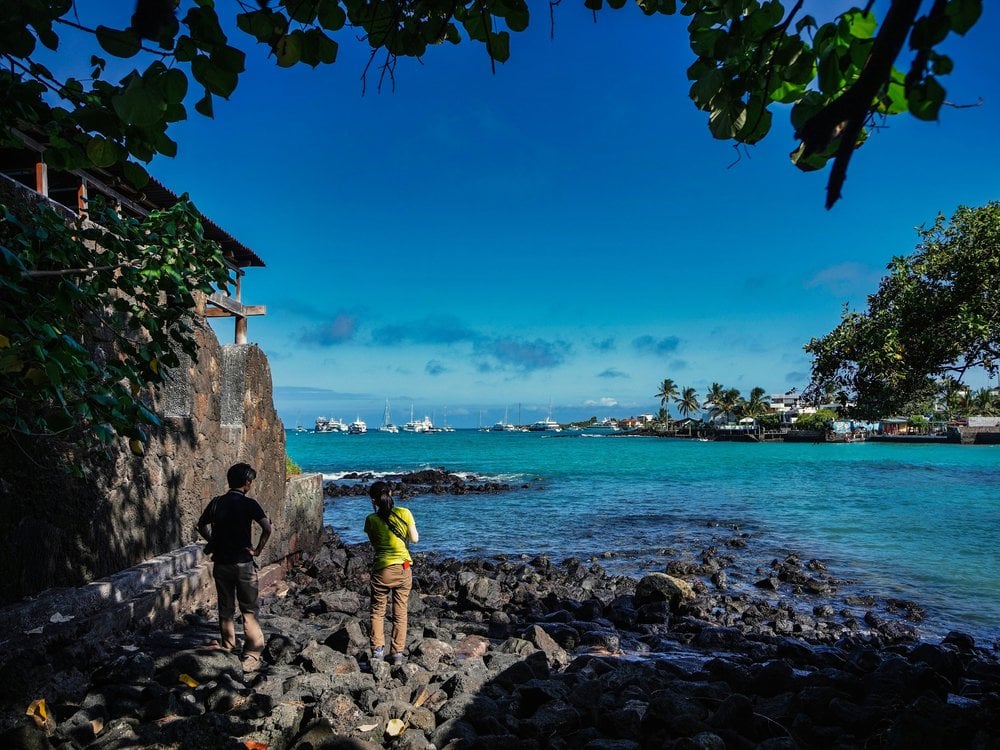
👉 Explore the adventure: 5-day Galápagos Islands Safari & Luxury Camp on Santa Cruz
Getting around: the Galápagos ferry and inter-island flights
Only four islands have towns: Santa Cruz, San Cristóbal, Isabela, and Floreana. Between them, there are two options: the ferry and inter-island flights.
The Galápagos ferry is actually a public speedboat (lancha) with about 20 to 30 seats. Costing around US$50 each way for tourists (the fare set by Ecuador’s transport ministry in August 2026; it can change), the crossing takes around 2 hours. There is one departure in the morning and one in the afternoon. Keep the rules in mind:
- Santa Cruz is the hub: there is no boat between San Cristóbal and Isabela, so that trip means two crossings in one day.
- Add the small extras: a water taxi takes you from the pier to the boat (US$0.50 to 1), your bags are checked again before boarding, and travelers pay a US$10 arrival fee at the pier in Isabela.
- Expect a rough ride: the sea can be choppy, especially from June to November. Take seasickness medicine before boarding and sit near the back.
Inter-island flights are operated using small planes for 6 to 9 passengers. The trip from San Cristóbal to Isabela costs between US$ 150 and 200 and takes 45 minutes. Depending on the fare, the baggage limit is usually 11.3 kg (25 lb) per person, including hand luggage; the cheapest fares allow only 6.8 kg (15 lb).


👉 Read more: Best Time to Visit Galápagos: Weather by Month
Cruise or land tour in Galápagos: what changes on arrival?
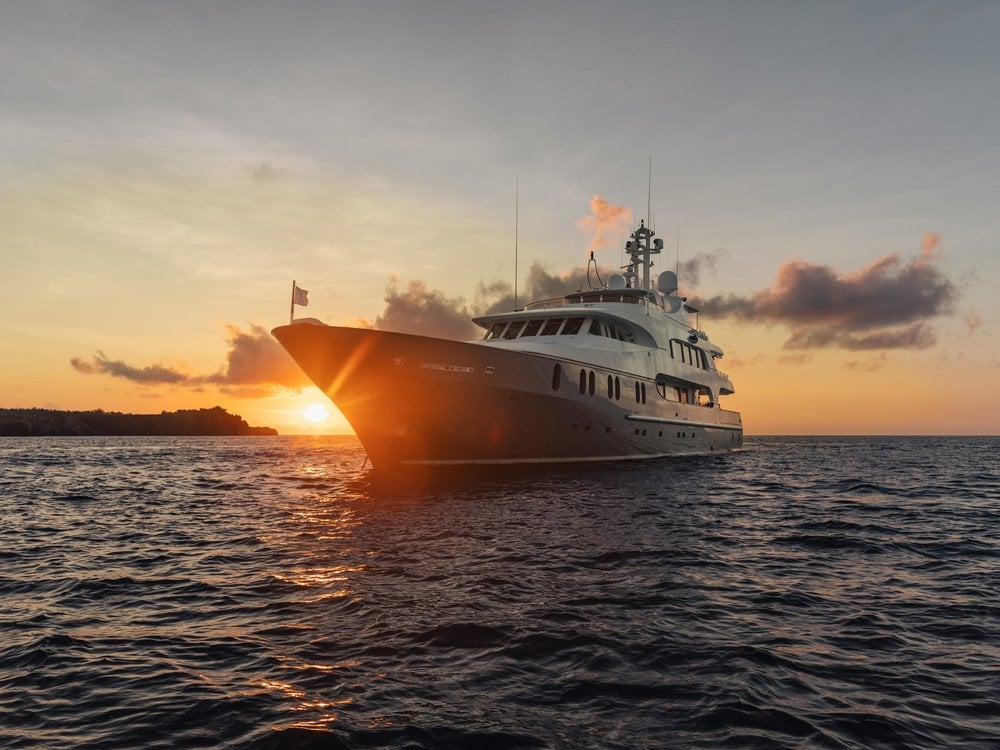
When taking a cruise, the journey begins directly at the airport, where the crew meets you to transfer straight to your vessel—no need for public ferries between islands! Our 8-Day Galápagos Yacht Cruise picks up guests right at Baltra Airport.
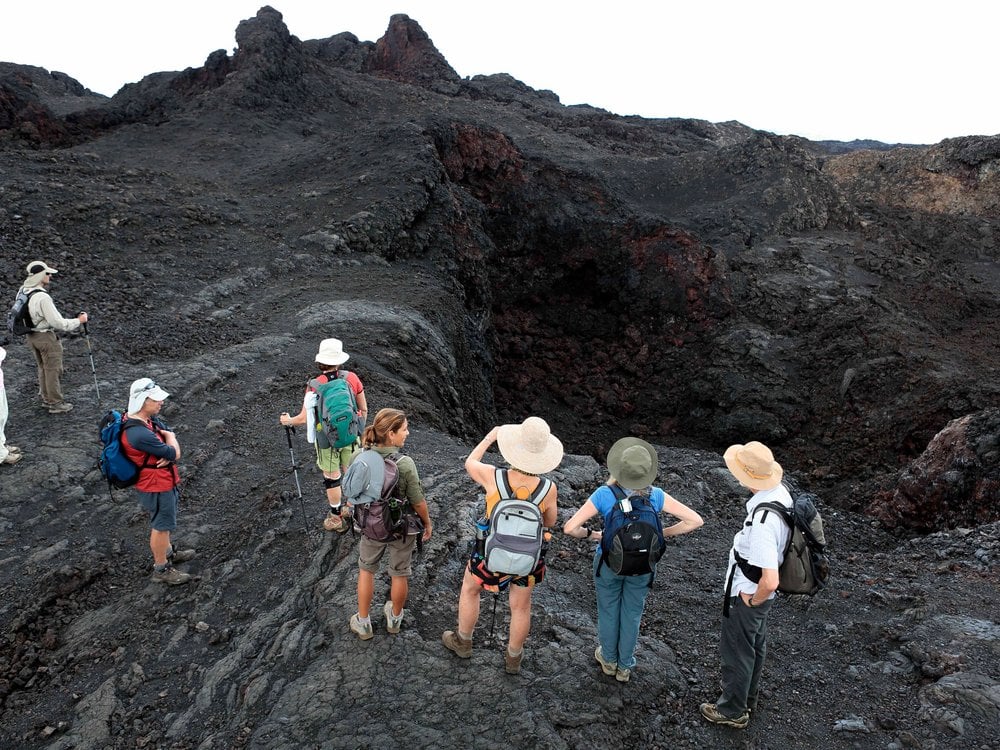
For land-based experiences, stay in hotels on the inhabited islands and travel between them by boat or small aircraft. Our 8-Day Galápagos Adventure Tour flies you into San Cristóbal and out of Baltra, with the Galápagos flights included. Meanwhile, the Galápagos Family Tour kicks off with an overnight stay in Quito prior to your flight.


Galapagos entry requirements before you fly
Knowing the rules to enter the archipelago is just as important as learning how to get to the Galápagos. A passport (valid for at least six months from the date of arrival), a return ticket, and accommodation details form the basis for airport procedures.
Also worth noting:
- The Galápagos Governing Council requires foreign tourists to have private health insurance for the duration of their stay (make sure it includes coverage for medical evacuation).
- Ecuador’s Ministry of Health no longer requires a yellow fever vaccination certificate for entry, and there is no vaccination recommendation for the islands.
- Children visiting the archipelago as tourists do not need parental authorization; such a requirement applies only to minors who are residents of Ecuador.
1. Galápagos Transit Control Card (TCT)
Issued by the Governing Council of the Galápagos Special Regime (CGREG)—the provincial body responsible for monitoring visitor entry and stay lengths—the Galápagos transit control card (TCT) is a mandatory requirement for entry.
The TCT has a fee of US$20 per traveler (children under the age of 2 are exempt). To apply, submit your passport details, round-trip flight itineraries, and accommodation or cruise confirmation through the official TCT portal. Payment is made online by debit or credit card.
The day of your flight, head to the CGREG desk with your TCT, passport, and return ticket for validation. The Governing Council asks travelers to be at the airport 3 hours before the flight. Hold onto your card until the end of the trip, as it will be inspected upon arrival and departure.
Tourists may remain in the Galápagos for up to 60 days a year. If you plan to stay with a local resident rather than at a hotel, an official invitation letter requested by the resident is required.
2. Biosecurity sworn declaration
All visitors aged 18 and older are required to complete the online sworn biosecurity declaration. Managed by the Galápagos Biosecurity Agency (ABG), this form asks travelers to detail any items they are bringing—such as food, plants, seeds, wood, live animals, or camping equipment—as well as any recent visits to farms or zoos.
Submission is free and can be filled out up to 48 hours prior to departure. Once completed, a QR code will be emailed to you to present upon landing.
3. Baggage inspection
Once you pass the TCT counter, your luggage must undergo ABG inspection before check-in. Certified bags will receive a tag or seal that must remain attached until retrieval in the islands. Carry-on items undergo a second check upon landing in San Cristóbal and Baltra. Make sure to get to the airport about 3 hours ahead of your flight.
What not to pack, from the official ABG list:
- Fresh fruit such as oranges, passion fruit, guavas, or blackberries.
- Fresh flowers, plants, and their seeds or cuttings.
- Soil and sand.
- Live animals.
- Fresh meat, milk, and cheese.
More instructions:
- Sealed, processed snacks are usually fine if you declare them.
- Clean the soles of your hiking boots, as mud can carry seeds.
- Leave single-use plastic at home too—the islands ban the sale and use of plastic straws, plastic carrier bags, disposable plastic food containers, and non-returnable plastic bottles. Pack a reusable water bottle and a cloth bag.


Galápagos entry fee: how much is it and how to pay
Every traveler landing in the archipelago is required to pay the Galapagos entry fee, which serves as the national park admission. The standard fee for most international tourists doubled from US$100 to US$200 in August 2024.
Following a provincial ordinance in June 2025, these rate structures remained unchanged, establishing the official 2026 entry rates:
| VISITOR | PARK ENTRY FEE (2026) |
|---|---|
| Foreign visitors over 12 | US$200 |
| Foreign visitors under 12 | US$100 |
| Citizens of Mercosur (Argentina, Brazil, Paraguay, Uruguay) and the Andean Community (Bolivia, Colombia, Peru), over 12 | US$100 |
| Citizens of Mercosur (Argentina, Brazil, Paraguay, Uruguay) and the Andean Community (Bolivia, Colombia, Peru), under 12 | US$50 |
| Ecuadorians and residents of Ecuador, over 12 | US$30 |
| Ecuadorians and residents of Ecuador under 12, over 65, or with a disability card | US$15 |
| Foreign students enrolled in Ecuadorian schools or universities | US$50 |
| Children under 2 (any nationality) | Free |
Pay the admission fee at the park counter inside the Baltra or San Cristóbal terminal right after landing. Since January 2026, park rules allow payment by credit or debit card as well as cash in US dollars (foreign currencies are not taken).
Keep some cash on hand anyway (network outages can affect card machines) and make sure to hang on to your receipt throughout the trip, as park rangers might ask for it at different landing sites.
👉 Read more: 15 Galapagos Islands Animals: Facts & Where to See Them
Every Galápagos fee in one table
Use the table below to keep track of all fees and requirements for traveling to the Galapagos Islands.
| FEE OR FORM | COST | WHERE AND HOW | OFFICIAL SOURCE |
|---|---|---|---|
| Transit Control Card (TCT) | US$20 (free under 2) | Online on the CGREG portal (card); confirm at the counter in Quito or Guayaquil airport on the day. | Galápagos Government Council (CGREG) |
| Biosecurity sworn declaration | Free | Online, up to 48 hours before the flight, travelers over 18; QR code shown on arrival. | Galápagos Biosecurity Agency (ABG) |
| Galápagos National Park entry fee | US$200 (foreign adult) | On arrival at Baltra or San Cristóbal, every entry; cash in US dollars or card. | Galápagos National Park (DPNG) |
| Isabela pier arrival fee | About US$10 | On arrival by boat at Puerto Villamil; reported by travelers, no official tariff published. | Travelers (not official) |
Fees as published on official Ecuadorian government pages in 2026. Rules change; check the official Galápagos channels before you fly.
Common mistakes to avoid
- Counting only on cards: card payment is allowed at the park counter, but ATMs on the islands often run out of money, and many small shops take cash only. Bring US dollars from the mainland.
- Leaving the forms for the airport: the Wi-Fi is weak, and the queue for the TCT counter is long.
- Booking a tight connection: a late international arrival and an early Galápagos flight on the same morning is the most common way to miss the flight.
- Planning San Cristóbal to Isabela by boat in one hop: it does not exist; you go through Santa Cruz.
- Booking the boat and not checking the list: arrive at the pier 30 minutes early and make sure your name is on the captain’s list.

Ready to visit the Galápagos? Plan your trip with PlanetaEXO!
Now that you know how to get to Galápagos, from the first form to the last boat, it’s time to choose the islands you want to see!
PlanetaEXO is an ecotourism platform specializing in Ecuador adventure tours. We work with local operators and take care of everything (flights, transit cards, transfers, and itineraries) so you don’t have to worry about a thing. Contact us now!
Keep reading
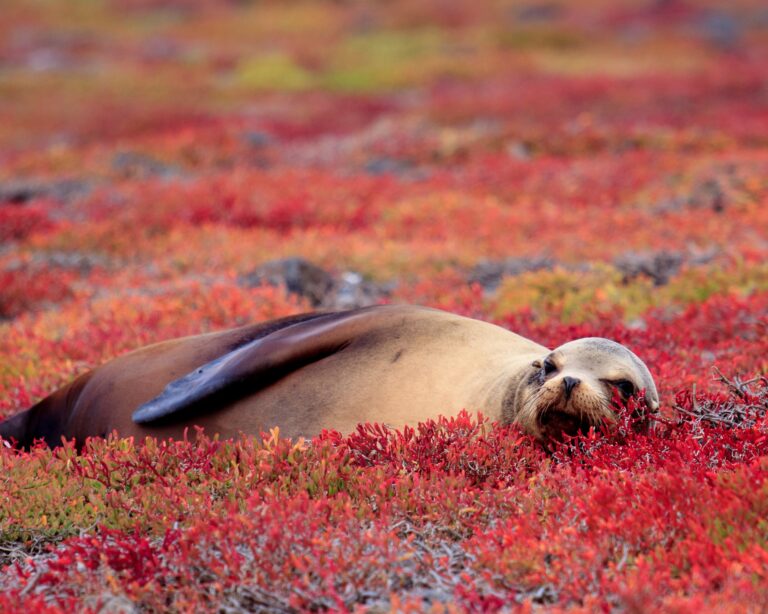
November 9, 2026
Best Time to Visit the Galápagos Islands, Month by Month
The best time to visit Galápagos, in Ecuador. See the air and sea temperature, rain, wildlife seasons, and crowds. See when you should book your trip!
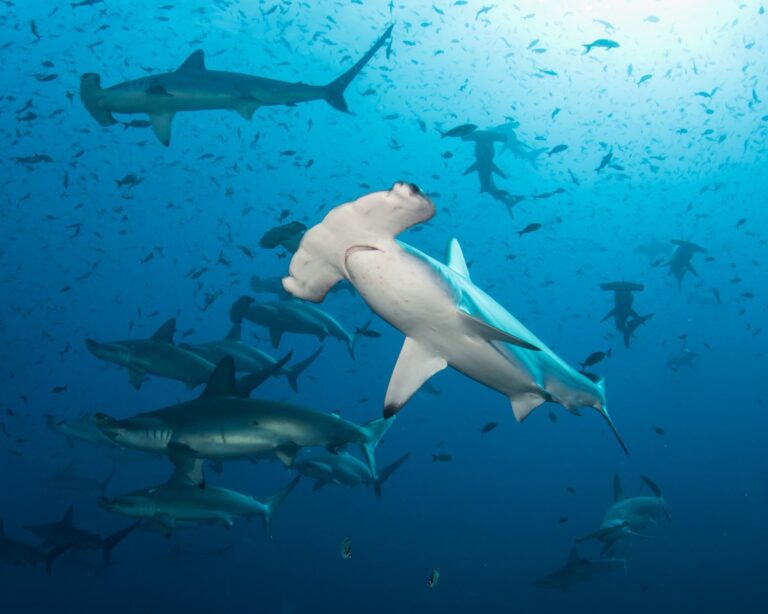
November 6, 2026
15 Galapagos Islands Animals and Where to See Them
Discover the most fascinating facts about the animals in Galapagos, from giant tortoises to whale sharks, and where you can spot them during your trip!
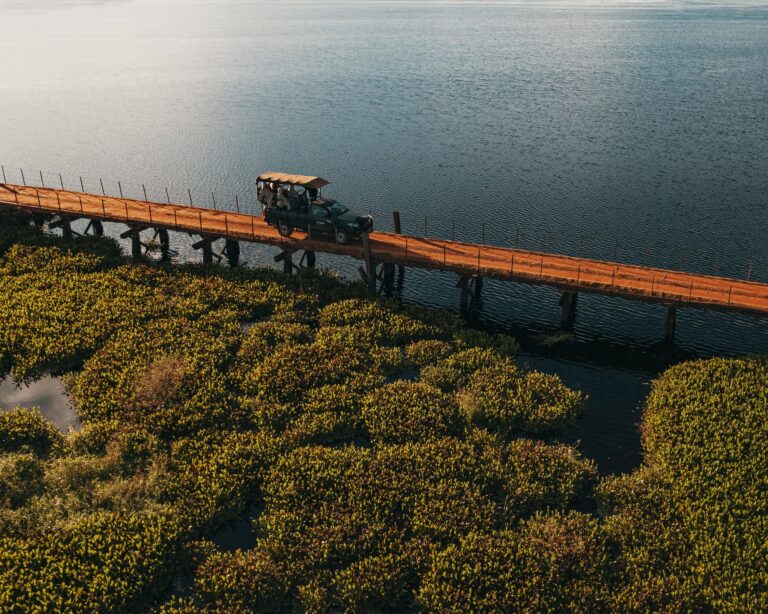
October 26, 2026
Solo Safari in the Pantanal: Andrea’s Trip to Caiman Ecological Refuge
An Australian biologist’s 5 solo days at Caiman in Brazil’s South Pantanal: a day with Onçafari’s jaguars, hyacinth macaw nests, and honest advice.