
Visa to visit Mount Roraima: essential Brazil and Venezuela entry requirements
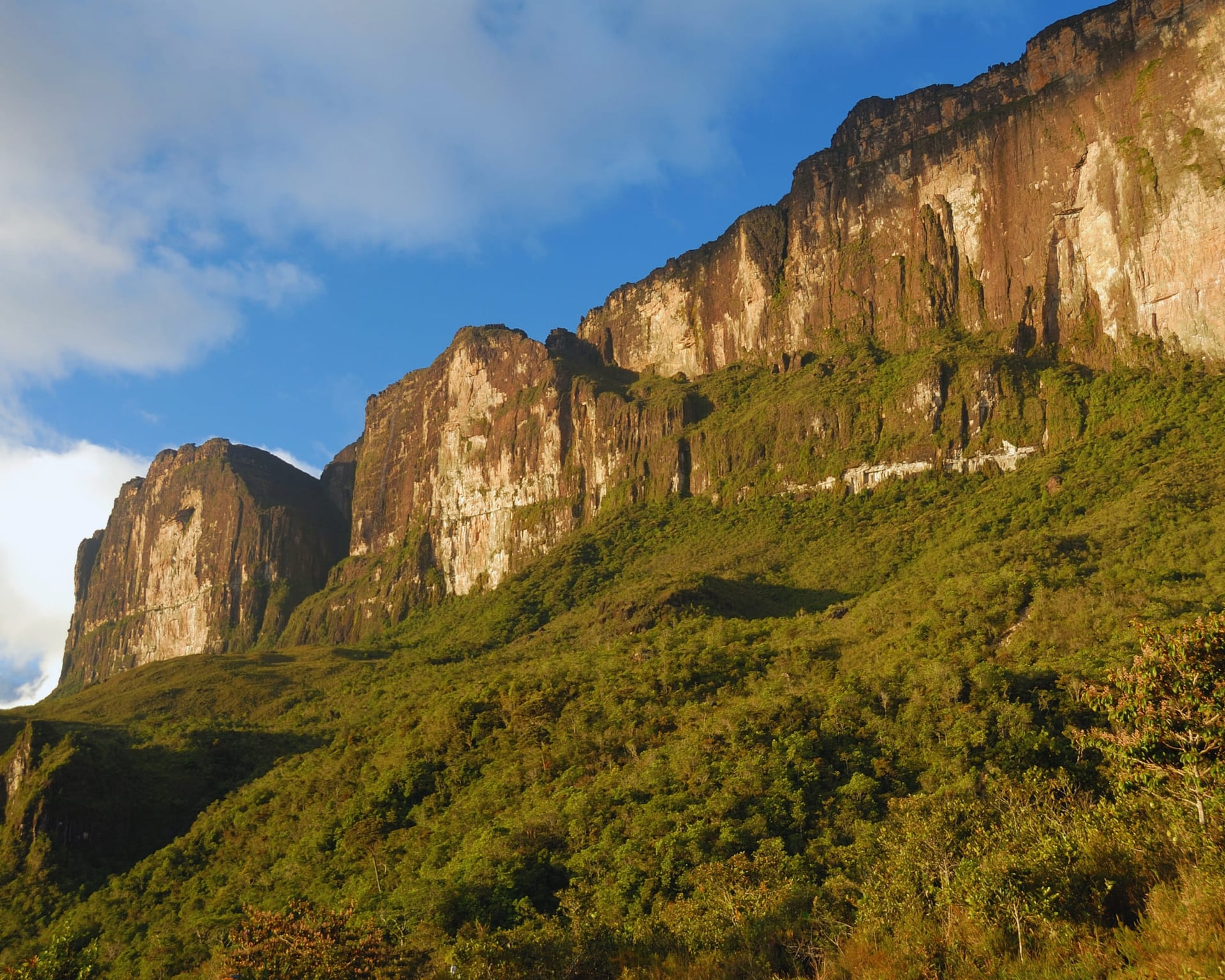
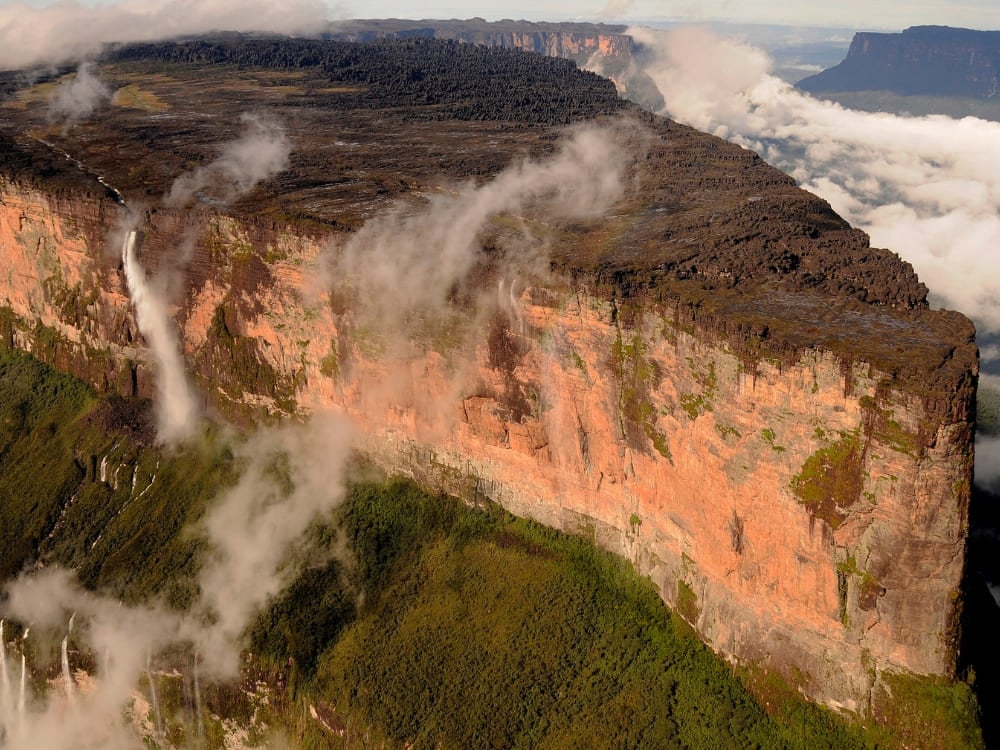
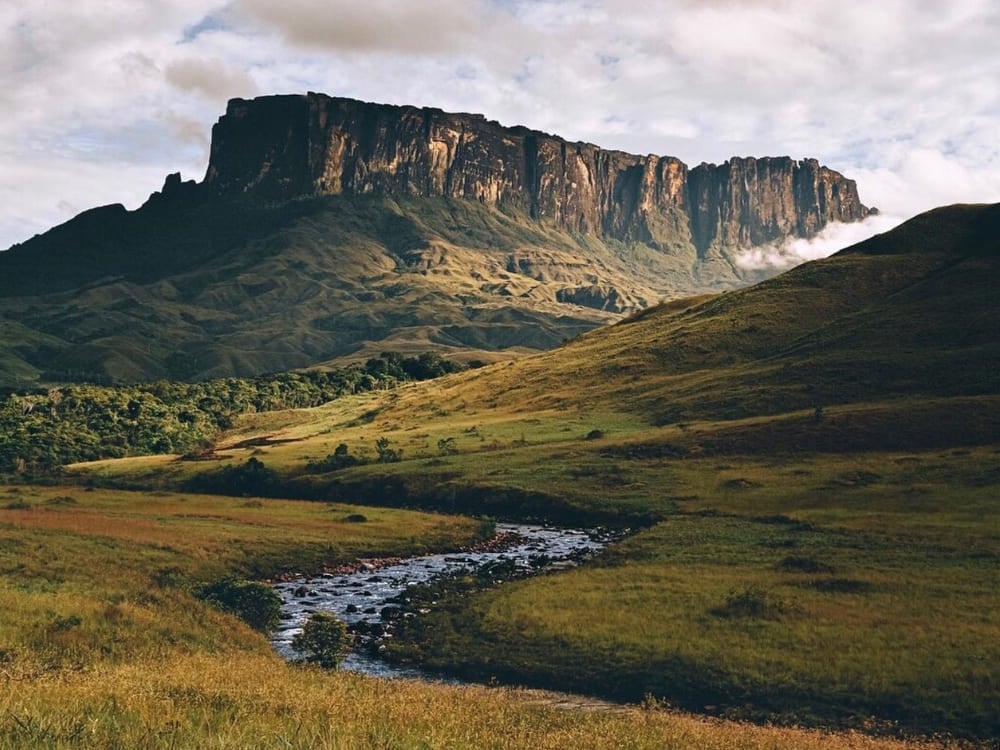
Mount Roraima, one of the world’s oldest geological formations, rises on the border of Brazil, Venezuela, and Guyana. Known for its vertical cliffs, mysterious ecosystems, and breathtaking scenery, it attracts adventurers worldwide. But before packing, a key question arises: Do I need a visa to visit Mount Roraima?
Since 85% of the mountain lies in Venezuela, travelers always cross its border, even if starting in Brazil. That means both the Brazilian and Venezuelan visa rules may apply, depending on your nationality. Understanding this is crucial to avoiding unpleasant surprises at immigration.
At PlanetaEXO, an ecotourism platform specializing in Mount Roraima tours, we know how essential visa planning is. Before we successfully helped adventures from all over the world to reach their trekking destination, many nearly gave up on their trip due to lack of information regarding immigration rules.
But with the right preparation, the journey becomes seamless. Let’s dive into who needs a visa and how to check official sources for your case!
Venezuela: countries that require a visa
Most travelers from Europe and Latin America can enter Venezuela without a visa, but there are important exceptions. It is also essential to note that, for countries exempt from visas, the agreement applies for a period of 90 days as a tourist only, never covering activities such as work or stays longer than the specified period.
If your country is not on the official exemption list, you must apply for a Tourist Visa (T) at a Venezuelan consulate before arrival.
Examples of countries that require a Venezuela visa:
- North America: United States, Canada.
- Latin America: Honduras, El Salvador, Guatemala, Panamá, República Dominicana, Cuba, Haití, Guyana, Suriname, Chile, Peru.
- Europe (non-EU and non-Schengen associates): Ukraine, Moldova, Kosovo, Albania, North Macedonia, Bosnia-Herzegovina, Montenegro, Serbia.
- Asia: China, India, Pakistan, Bangladesh, Afghanistan, Vietnam, Philippines, Nepal, Syria, Lebanon, Saudi Arabia, Maldives, Sri Lanka.
Remember that official information can be checked with the Ministry of Foreign Affairs of Venezuela (MPPRE) or your nearest consulate. In addition, there are trustworthy sites for consultation, like Sherpa.
Venezuela: Countries that do not require a visa
According to the Consulate of Venezuela in France, citizens from the European Union and much of Latin America are exempt from visas for up to 90 days when entering Venezuela for tourism.
Examples of visa-exempt countries for Venezuela:
- Europe: Germany, Austria, Switzerland, France, Belgium, Luxembourg, the United Kingdom, Ireland, the Netherlands (including Aruba, Curaçao, Bonaire, Saba, Sint Maarten), Spain, Portugal, Italy, Greece, Poland, and other EU members.
- Latin America: Argentina, Brazil, Mexico, Colombia, Uruguay, Paraguay, Ecuador, Bolivia, Costa Rica, Nicaragua.
- Asia: Japan, South Korea, Malaysia.
- Africa: South Africa is visa-exempt for up to 90 days.
This means a traveler from France, the Netherlands, Germany, the United Kingdom, or Mexico can enter Venezuela for up to 90 days without a visa. The passport must be valid for at least 6 months beyond the date of entry.
To double-check your case, see the official Venezuelan Consular Services in France or use consultation sites like Sherpa.
Brazil: Countries that require a visa
Most travelers from Europe and Latin America can also enter Brazil without a visa, but some nationalities must apply in advance.
Countries that need a Brazil visa:
- North America: United States, Canada.
- Oceania: Australia.
- Asia: India, China, Afghanistan, Pakistan, Bangladesh, Nepal, Sri Lanka, Vietnam, Philippines, Iran, Iraq, Syria, Lebanon.
- Europe (outside EU/Schengen): Kosovo.
- Africa: Most African countries require a visa, including Nigeria, Ethiopia, Kenya, Egypt, Morocco, Senegal, Ghana, Tanzania, and others.
👉 Learn more: VISAS – Brazilian Ministry of Foreign Affairs
Brazil: Countries that do not require a visa
Citizens of the European Union, the United Kingdom, Japan, and Latin America can usually enter Brazil without a visa for short-term tourism (up to 90 days).
Examples of visa-exempt countries for Brazil:
- European Union: Germany, France, Italy, Spain, the Netherlands, Austria, Belgium, Greece, Portugal, Poland, Denmark, etc.
- Schengen-associated states: Switzerland, Norway, Iceland, Liechtenstein.
- English-speaking Europe: United Kingdom, Ireland.
- Latin America: Argentina, Chile, Uruguay, Colombia, Peru, Paraguay, Bolivia, Mexico, Ecuador, Costa Rica, Panama.
- Asia-Pacific: Japan, South Korea, New Zealand, Israel.
- Africa: Botswana, Namibia, South Africa, and Mauritius are visa-exempt for short-term visits.
👉 Read more: How to get to Mount Roraima
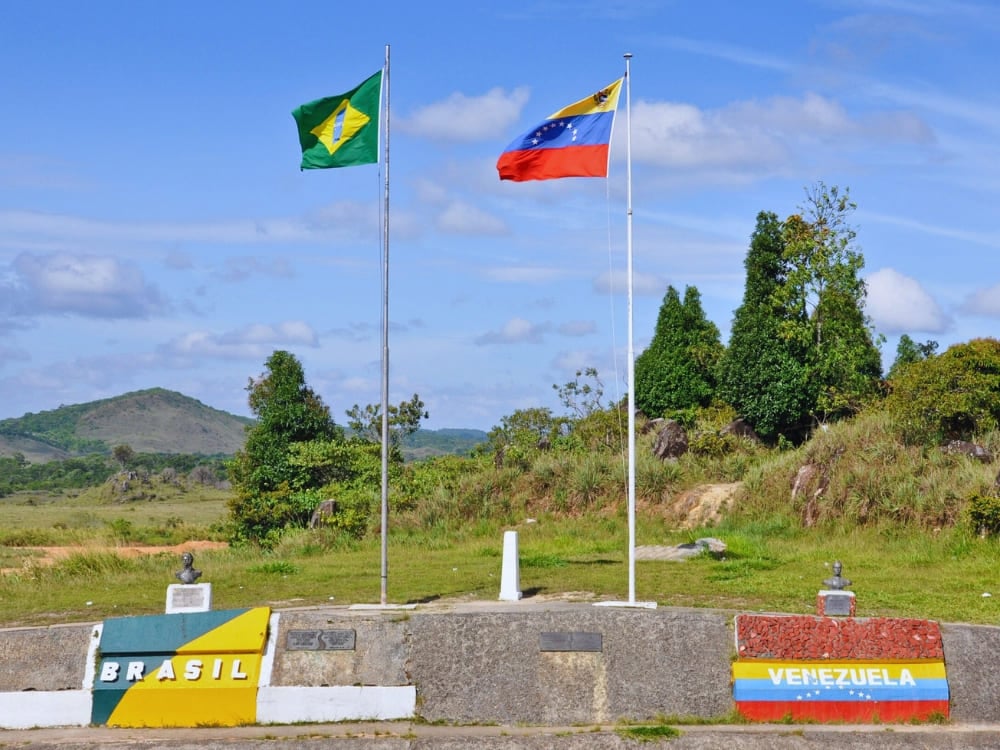
Important reminder: You always cross into Venezuela
Even if you start in Brazil, the trek leads you to Santa Elena de Uairén and then to the Paraitepuy Indigenous Community, the official trailhead in Venezuela. That means you’ll cross the border and must comply with Venezuelan immigration rules.
Therefore, although a lot of travelers often enter Brazil visa-free, they still need to check if Venezuela requires a visa for their passport. Missing this step could stop your journey before it even begins.
👉 Read more: How hard it is to trek up Mount Roraima
Can U.S. Citizens Travel to Venezuela? Safety, Visa, and rules
In June 2026, the Ministry of Foreign Affairs of Venezuela (MPPRE) announced a digital application option, which allows U.S. citizens to apply online for a tourist visa (e-visa) to enter Venezuela. Under this procedure, applicants must pay a $180 fee per application directly through the Cancillería Digital portal. See more information in the U.S. Embassy in Caracas’ official channel.
However, U.S. citizens may encounter the following issues regarding payment:
- Payments are best made using Visa or Mastercard credit cards; debit cards and American Express are not recommended.
- Many U.S. banks, adhering to U.S.-imposed sanctions policies, have implemented fraud filters for online payments processed by Venezuelan entities. Completing the online payment may require the customer to contact their bank to temporarily lift fraud restrictions related to Venezuela.
- Another option is to charge for the service and process the payment using a Visa card not issued by a U.S. bank.
Importantly, the U.S. Department of State advises against all travel to Venezuela because of political tensions, security concerns, and the lack of consular support. Travelers are urged to carefully review the official U.S. travel advisory for Venezuela before making any plans.
👉 Read more: Is Mount Roraima Dangerous? Everything You Should Know For a Safe Trip to Venezuela
Traveling with PlanetaEXO
PlanetaEXO is an ecotourism platform specializing in Mount Roraima tours. When you book your trip with us, you don’t just get a trekking package: you gain a partner that supports you at every step. More importantly, our expeditions are designed with sustainability in mind.
In this way, your trip supports local communities, protects the environment, and brings you face-to-face with one of the world’s most unique ecosystems. If you’re ready to embark on this extraordinary experience, let’s start planning your journey. Contact us now!
Please note: The information in this post was updated on June 27, 2026. Before booking your trip to Mount Roraima, check the official channels of the Venezuelan and Brazilian governments, as well as those of your own country.
Keep reading
September 15, 2026
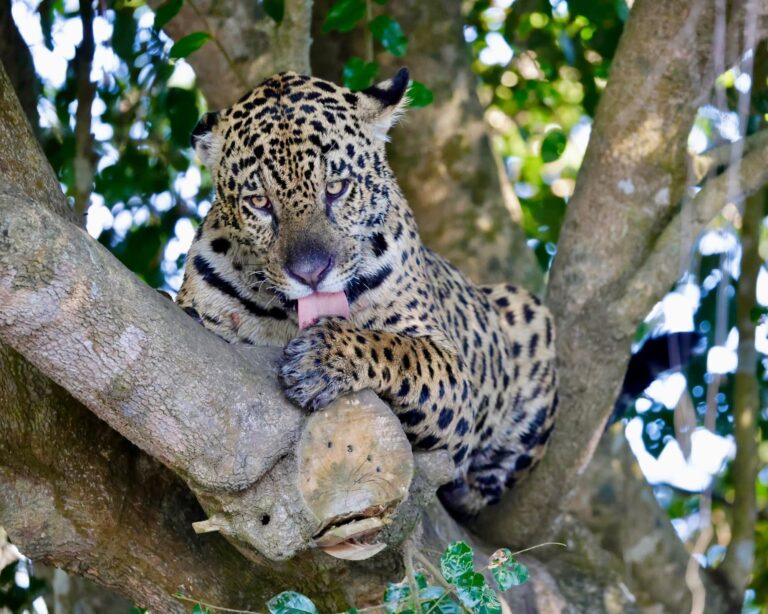
Five Jaguars in One Day: Michael’s Family Pantanal Safari in Brazil
A Swiss doctor and his family on a 4-day jaguar safari in the Pantanal, Brazil: five jaguars in a day, a private guide, and honest advice.
September 14, 2026
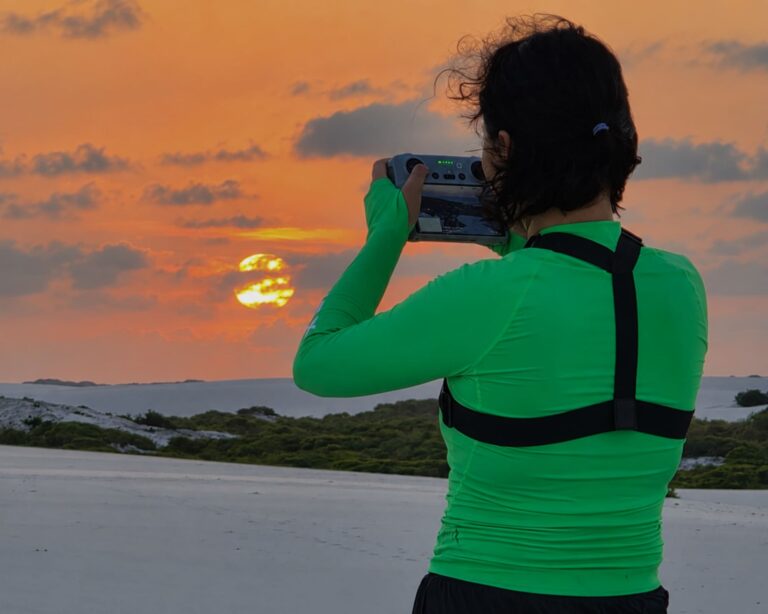
Filming Lençóis Maranhenses for Korean TV: Jihee Yeon’s Brazil Story
Korean producer Jihee Yeon crossed Lençóis Maranhenses on foot to film for KBS: the dunes, the hammocks, the children, safety in Brazil and her tips.

September 11, 2026
Three Nights in the South Pantanal: Sandy’s Wildlife Story in Brazil
Sandy knows Brazil well but had never seen the Pantanal. Three nights on the Miranda River with her son: wildlife, a talented guide, and honest advice.