
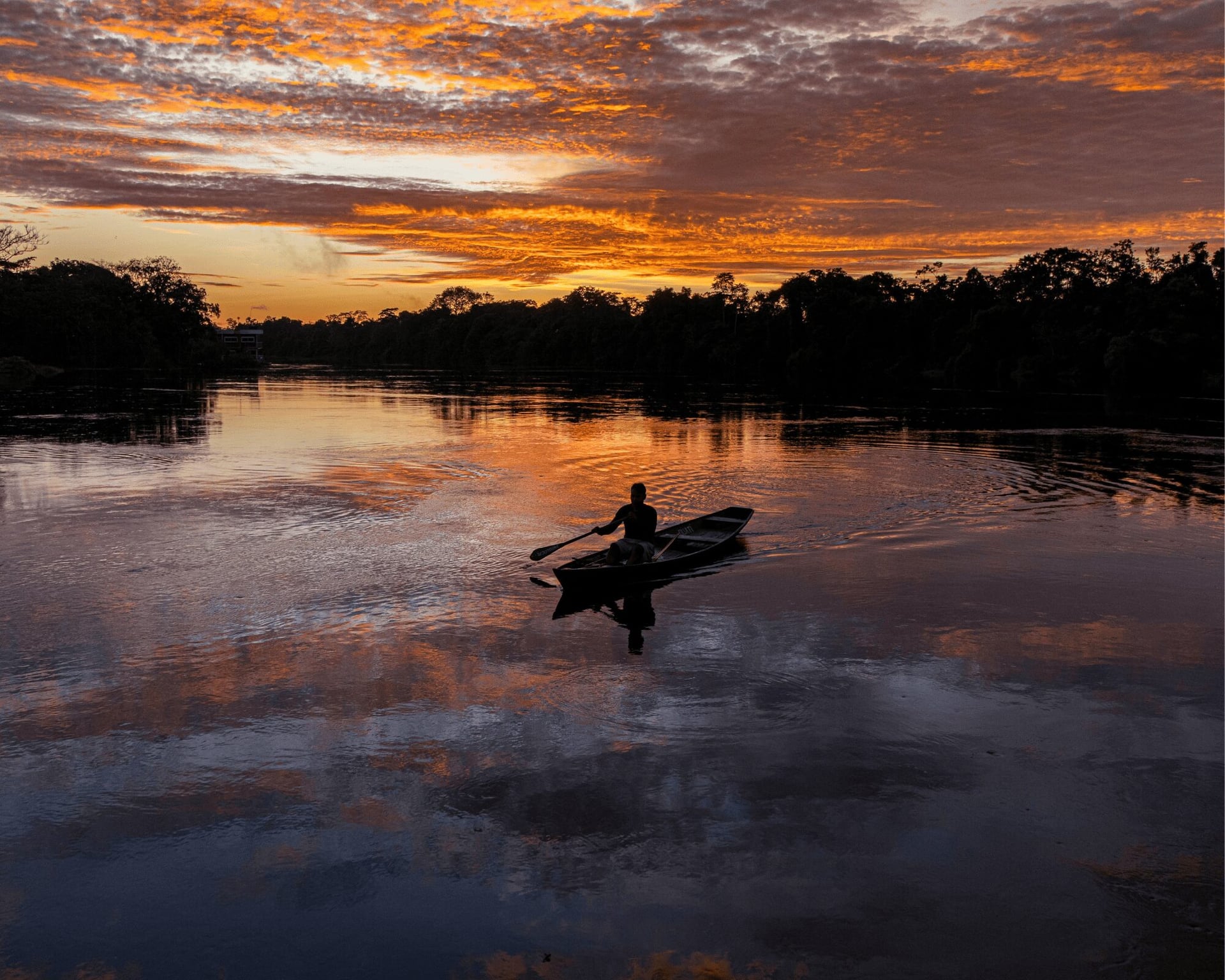
Practical Manaus travel tips on safety, health, food, morning sightseeing, and activities for travelers spending a few days in the city around their time in the rainforest
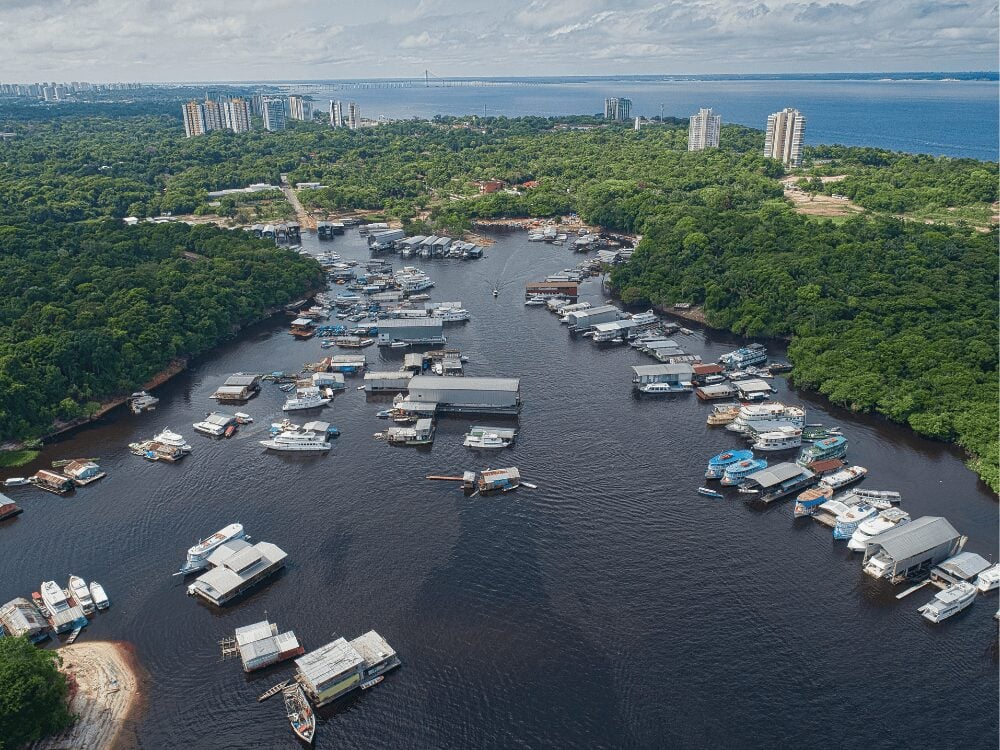
Home to about 2.3 million people, the capital of Amazonas sits where the Rio Negro meets the Solimões, at the edge of the largest rainforest on Earth. Most Amazon tours from Manaus in Brazil start with an early pickup at a city hotel, so almost every traveler spends at least one night here.
However, it’s worth adding a few days in Manaus to your travel plans. The city has a UNESCO World Heritage opera house, river beaches, food you won’t find anywhere else, and a forest museum inside the city limits. Want to enjoy them without losing time to heat, crowds, or tourist traps?
PlanetaEXO, an ecotourism platform specializing in Amazon Rainforest tours in Brazil, has put together these tips for travelers visiting Manaus—whether you’re going to the forest or not. Check it out below!
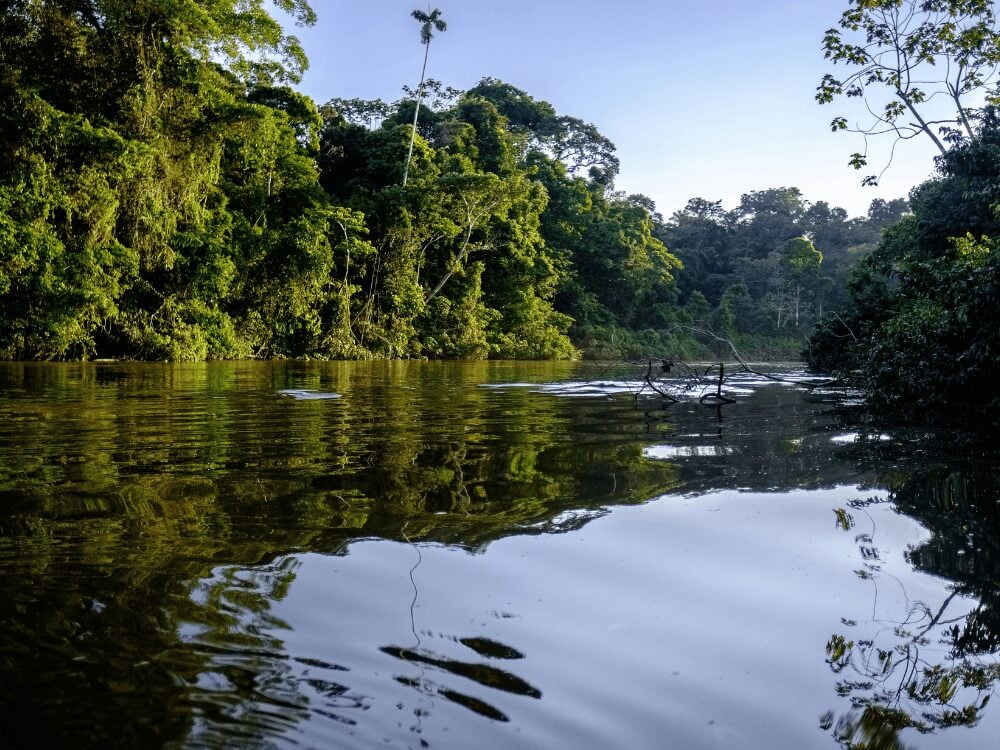
1) Stay Safe: Choose the Right Neighborhood, Ride and Habits
Manaus asks for the same awareness as any big city. For visitors, the risk is mostly opportunistic theft, like phone snatching and pickpocketing. To avoid any problems, see our recommendations!
Where to stay in Manaus
Some neighborhoods are more suitable for tourists than others. When selecting your accommodation, consider:
- Ponta Negra: riverside hotels, restaurants, and a well-policed promenade. The best base for relaxing after the forest.
- Adrianópolis and Vieiralves: quiet residential streets, malls, restaurants, and bars that stay busy with locals in the evening.
- Centro Histórico: great by day, but it empties after dark, so avoid lingering past 8 PM.
- Skip: Compensa, São José Operário, and any informal settlement. There’s no tourist reason to go.
The night before your Manaus Amazon tour, stay in the Centro or Adrianópolis—Ceasa Port, where several boats leave from, is about 20 minutes away. Save Ponta Negra, on the opposite side of the city, for after you return.
Getting around and habits that help
- Use Uber or 99, including from the airport, about 14 km from the center. Request rides only in the app and check the plate before getting in.
- Ignore drivers and “guides” who approach you in the arrivals hall, and skip city buses at night.
- Keep your phone out of sight on the street, leave your passport in the hotel safe, and split cash and cards between two places.
- Withdraw cash inside bank branches during the day and watch your bag at the Mercado Adolpho Lisboa—a favorite spot for pickpockets.
👉 Read more: Is Manaus Safe? A Guide for Travelers Heading to the Amazon, Brazil
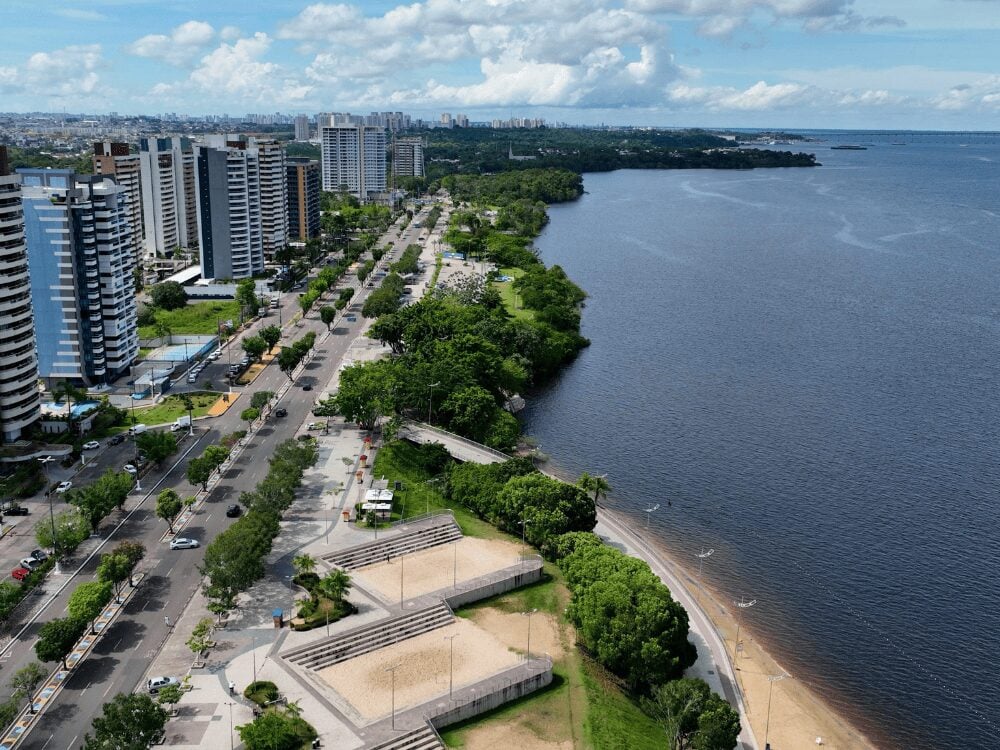
2) Stop Booking Day Tours: Here’s What You’re Missing in the Amazon
Many travelers fly to Manaus, book a day tour, and go home convinced they’ve seen the Amazon. What they usually see is the busiest stretch of river near a city of 2.3 million people: the Meeting of Waters, a lake with giant water lilies and a few staged stops, shared with dozens of other boats.
The full experience starts beyond that radius. Traveling 1 to 3 hours from the city connects you to most Amazon tours from Manaus in Brazil, where a stay of at least 3 days and 2 nights is essential to truly immerse yourself in nature.
Another plus is safety. Far from potential urban dangers, you follow routes with licensed guides who know how to navigate the forest like no one else, with life jackets and first-aid kits always available at the lodge.
It also keeps you away from the crowds, since lodges and Amazon river cruises take small groups to lakes, igarapés (narrow forest streams), and beaches that day boats never reach.
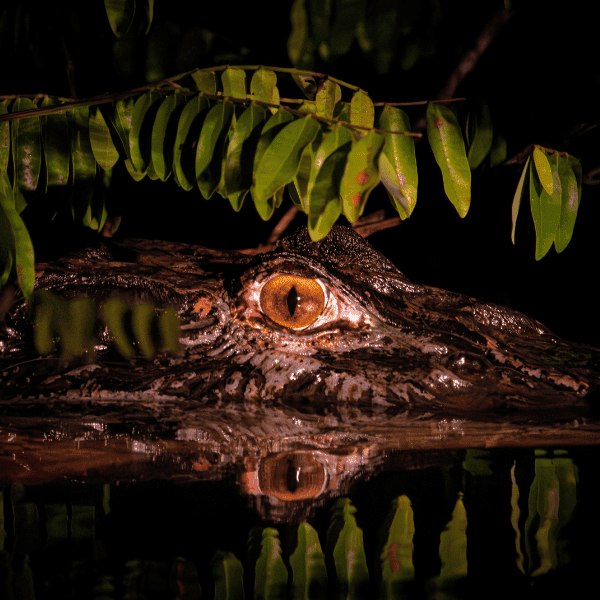
Above all, it gives you real contact with nature. Wildlife is most active at dawn and after dark, exactly the hours a day tour spends in transit. Sleeping in the forest puts you in a canoe at sunrise, when birds are most active, and out at night, when caimans and sloths appear.
Some options, depending on your style:
- Lodges near Manaus: the 3-day Amazon Jungle Tour from Manaus or the Juma Amazon Lodge: 5-Day Jungle Tour from Manaus.
- Rio Negro and Anavilhanas: the 4-Day Mirante do Gavião Exclusive Amazon Lodge, about 180 km from the city.
- Active trips: the 4-day Amazon Kayak Tour Brazil or the 4-day Amazon Survival Tour.
Whenever possible, schedule your days exploring the city following your jungle excursion. This ensures that potential flight disruptions won’t jeopardize your tour, while allowing you to leave bulkier luggage safely stored at your hotel.
👉 Read more:
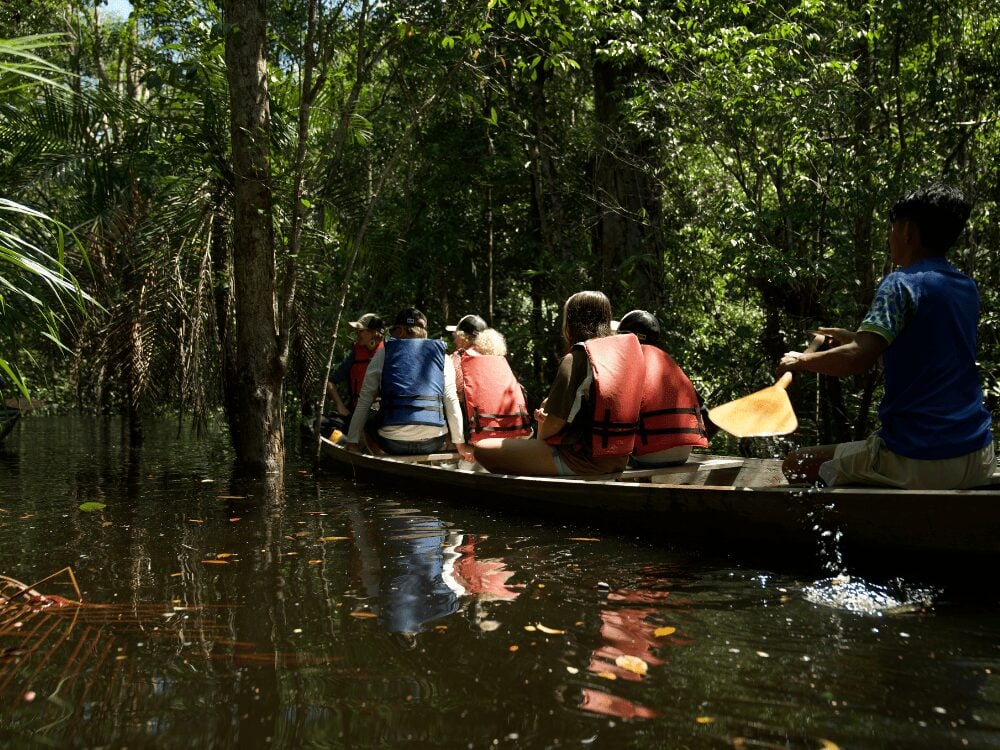
3) Eat Like a Local (and Plan Ahead for Dietary Needs)
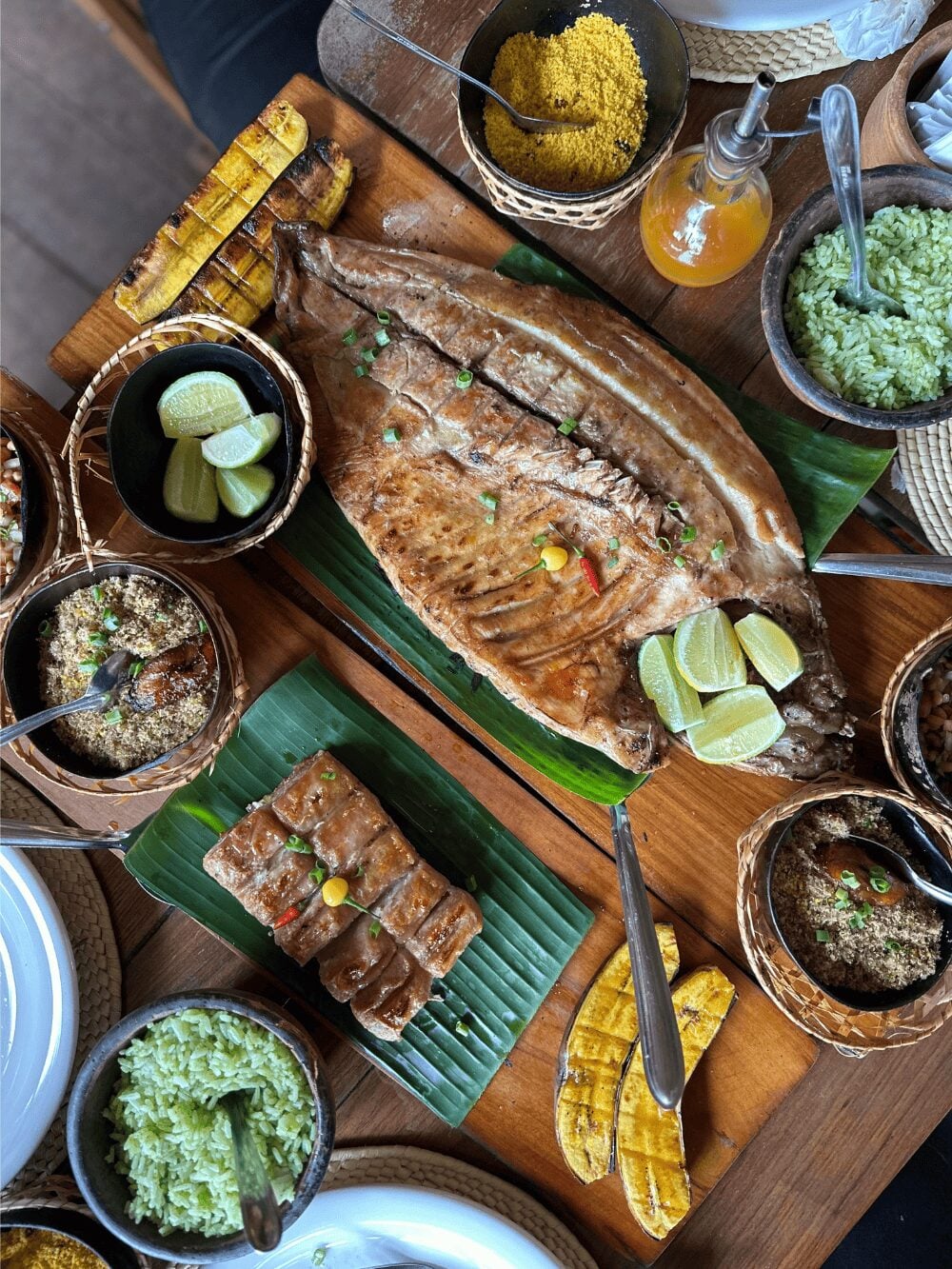
The Manaus food scene is built on river fish, cassava, and fruits that grow wild in the forest. One dish is even protected by law: the X-caboquinho sandwich became intangible heritage of Manaus in 2019.
Where to eat in Manaus:
- Tambaqui: the region’s favorite fish, best grilled. Try Tambaqui de Banda (R. José Clemente, 596), facing the opera house.
- Tacacá: a hot soup of tucupi, jambu (a leaf that numbs your lips), and dried shrimp. Locals have it mid-afternoon at stalls such as Tacacá da Gisela (Largo de São Sebastião, Centro).
- X-caboquinho: a roll with tucumã palm fruit, fried plantain, and curd cheese, sold in bakeries from dawn.
- Contemporary cuisine: explore some of the most iconic restaurants in the city, like Banzeiro (R. Libertador, 102), Caxiri (R. 10 de Julho, 495), and Biatüwi (R. Bernardo Ramos, 97).
- Açaí: the real, authentic Amazonian açaí is unsweetened and eaten with savory food like fried fish and dried shrimp. Try it at AçaíBelém (R. Alexandre Magno, 497) and Waku Sese (R. Purus, 260).
Manaus restaurants beyond regional food
Vieiralves, Adrianópolis, and the Amazonas Shopping and Manauara Shopping malls have Japanese, Italian, Portuguese, and burger places. Most restaurants add an optional 10% service charge, so there’s no need to tip on top.
If you have dietary restrictions, these should be useful for you:
- Vegan and vegetarian: for fully natural and plant-based dishes, Edi Sabor Natural (Av. Márui Ypiranga, 54) is a favorite in the city.
- Gluten-free: tapioca, farinha, and tucupi are naturally gluten-free, but ask about shared fryers (sem glúten).
- Lodges and cruises: mention any restriction when booking, since supplies in the forest are limited.
👉 Read more: Amazonian Food: 7 Typical Dishes to Try in the Brazilian Amazon
4) See the Best Things to Do in Manaus
Teatro Amazonas and Largo de São Sebastião
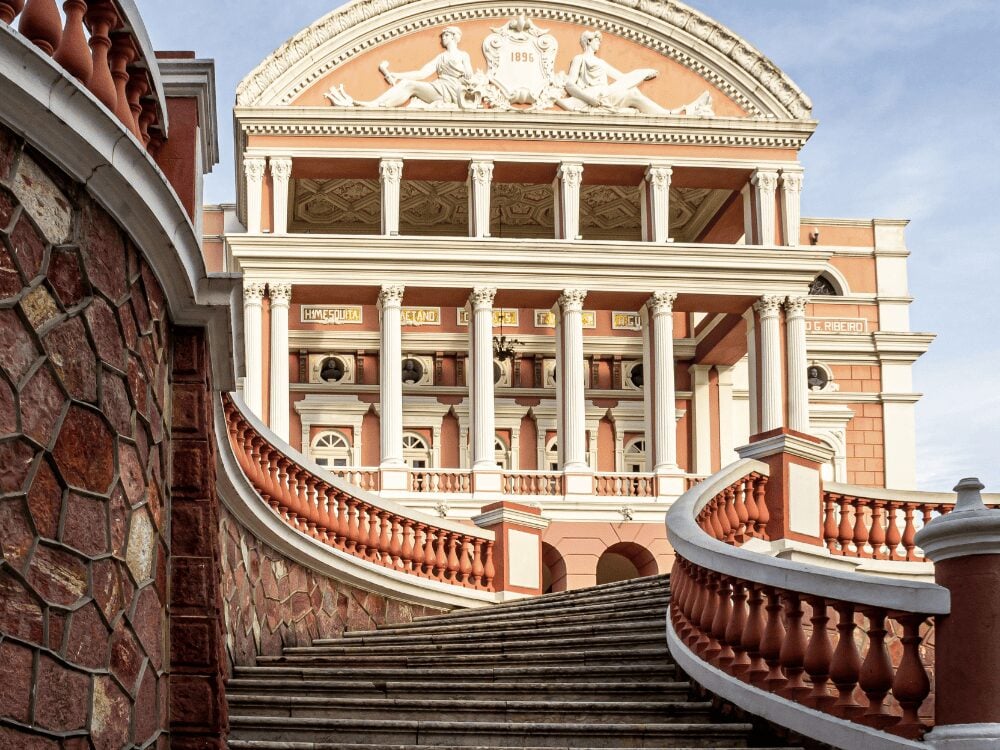
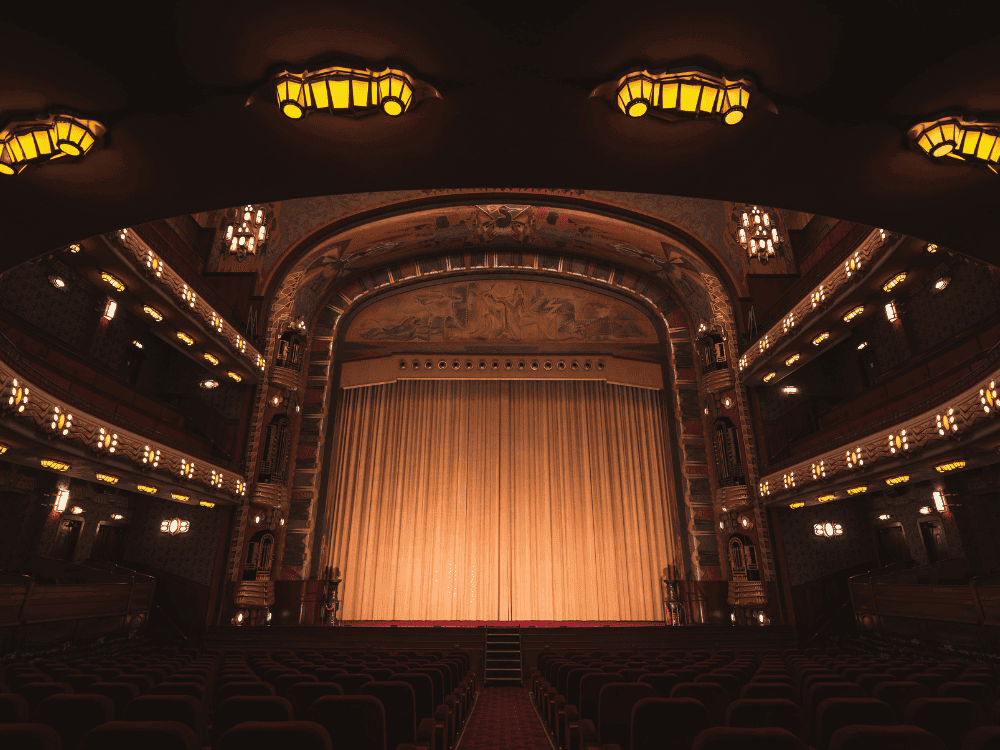
Inaugurated in 1896 during the rubber boom, the landmark Teatro Amazonas was officially designated a UNESCO World Heritage Site on July 27, 2026, alongside Belém’s historic Theatro da Paz. Guided tours run Tuesday to Sunday from 9 AM. Outside, Largo de São Sebastião has a church, a wave-patterned pavement, and tacacá stalls in the evening.
Historic center
Start at the Mercado Adolpho Lisboa, opened in 1883 with ironwork shipped from Europe, then walk Avenida Eduardo Ribeiro to the Palácio Rio Negro and finish at the Mirante Lúcia Almeida, a viewpoint over the Rio Negro.
MUSA, the Museu da Amazônia
Focused on science and culture, the Museu da Amazônia (MUSA) borders the Adolpho Ducke Forest Reserve, inside the city, and its 42-meter tower rises above the canopy. Closed shoes are mandatory, and guided trails need booking.
Bosque da Ciência
Run by INPA, Brazil’s National Institute for Amazonian Research, the Bosque da Ciência is a forest park with Amazonian manatees and giant otters. Visitation is free, but advance booking is required.
If you have one extra day
- Presidente Figueiredo: waterfalls and caves about 2 hours north. Go on a weekday, or make it a multi-day trip with the 4-day Amazon Kayak Tour Brazil.
- Museu do Seringal: an open-air museum that recreates a rubber-tapping estate, 25–30 minutes by boat from Marina do Davi. Combine it with Praia da Lua, on the same route. It’s also part of the Untamed Amazon Cruise: 5-day Forest Tour in Brazil.
5) Explore the City in the Morning
When you plan what to do in Manaus, put the sightseeing in the morning: the heat peaks in the early afternoon, rainy-season storms (December to May) arrive after lunch, and crowds show up later. The sun rises around 6 AM year-round. Here’s a suggested schedule:
- 6–8 AM: X-caboquinho breakfast and the Mercado Adolpho Lisboa.
- 8:30–11 AM: the MUSA tower, the Teatro Amazonas tour, or the Bosque da Ciência.
- 12–3PM: lunch and a rest at the hotel.
- 5–6:30 PM: sunset at Ponta Negra, then dinner and a ride-hailing app back.
To make the most of your time, plan ahead: check the schedule for Teatro Amazonas events, book MUSA’s guided trails or sunrise tours in advance, and secure your reservations months early if you are visiting during the Festival de Parintins in late June.
6) Visit the Beaches in Manaus, but Mind the Details
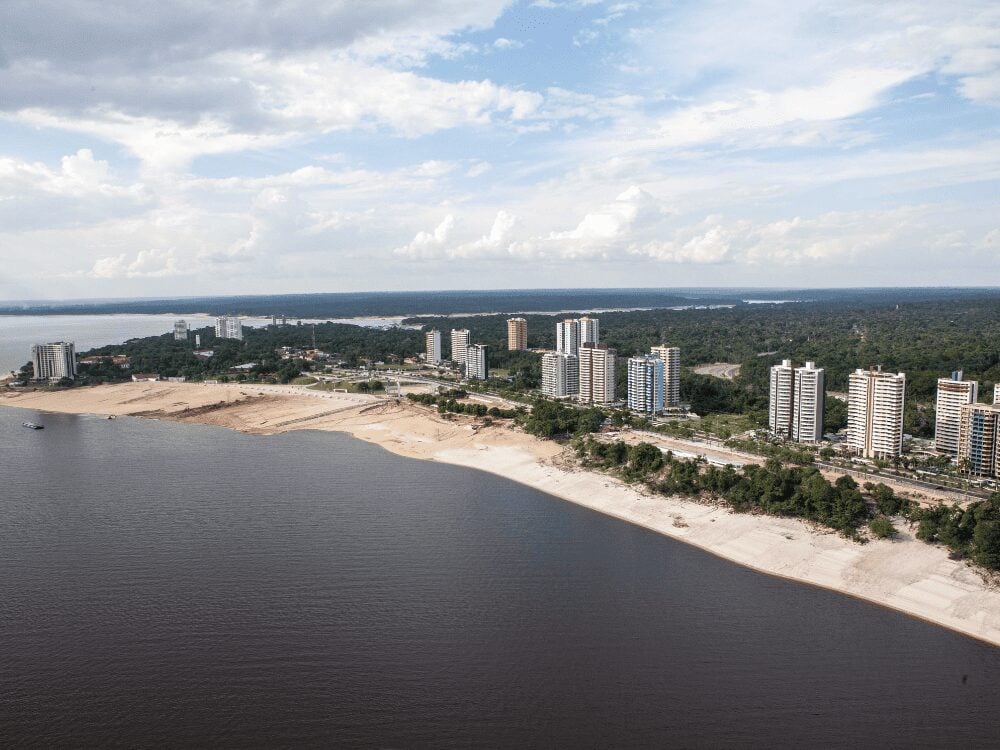
The beaches in Manaus are river beaches on the Rio Negro and among the city’s top attractions. They are also where locals spend the weekend, so timing matters.
- Ponta Negra Beach: go in the late afternoon for the sunset over the river. Treat it as a promenade, since swimming is banned when the river drops below 16 m.
- Praia do Tupé and Praia da Lua: reached only by boat from Marina do Davi. Go on a weekday morning, when they’re calmer, and confirm the return boat before you leave.
If your Manaus Amazon tour includes a lodge or cruise on the Rio Negro, you may not need the city beaches at all: Anavilhanas has white-sand beaches in the dry season, often with only your group on them.
Season, drought, and timing
- Beaches are largest from August to November, when the river is low.
- In severe droughts, swimming is banned, and boat routes change.
- Arrive before 11 AM, wear sunscreen, and never swim alone.
7) Skip Rushed Itineraries and Arrival-Hall Deals
- Rushed itineraries: the classic day tour squeezes the Meeting of the Waters, a lake, an “Indigenous village” show, and a dolphin stop into 6 to 7 hours.
- Mass-tourism excursions: large boats, the same fixed stops for every group, and staged shows. If you want a day on the river, choose a small boat and ask what each stop includes.
- Tours sold in the arrivals hall: discounted jungle trips paid in cash up front, or boat tickets from touts at the port.
Before traveling, secure your Amazon tours from Manaus in Brazil with a licensed company: ask for their credential in Cadastur (Brazilian system of tourism companies and professionals) and official CNPJ number (company ID), and be wary of prices well below standard rates, as legitimate 3-day lodge itineraries generally cost between US$400 and US$1,200.
8) Say No to Forced Wildlife Interactions
On day tours departing from Manaus, there are documented instances of unethical activities involving wildlife. To make them more docile and amenable to human contact, it is not uncommon for the animals to be drugged.
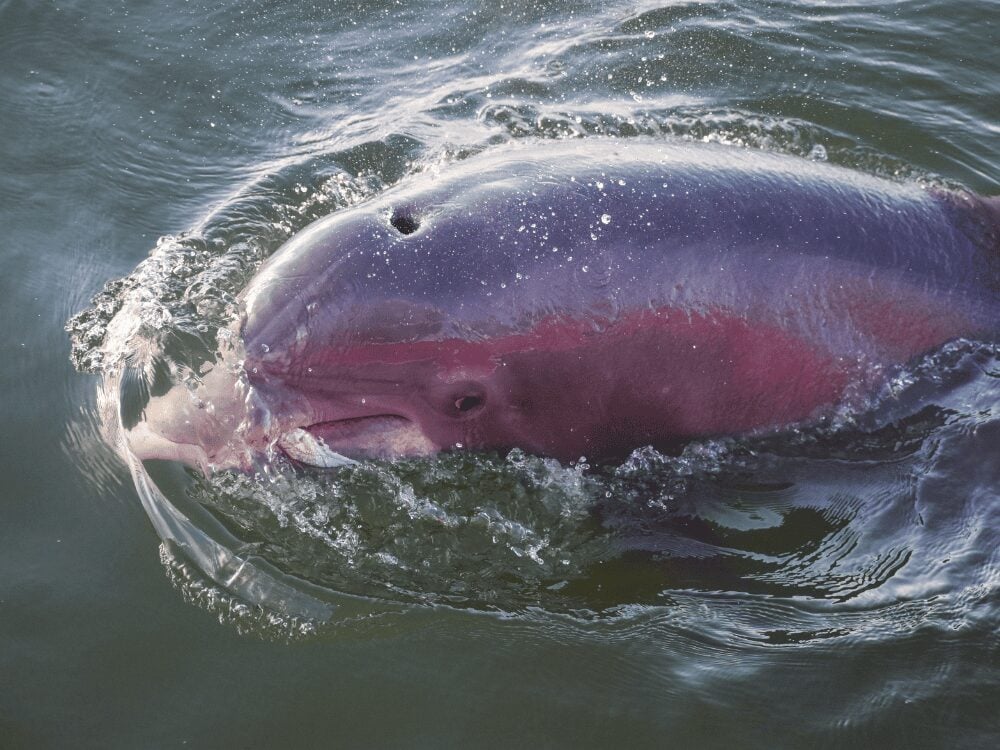
Although swimming with or feeding pink river dolphins is often presented as a friendly activity, these animals belong to an endangered species, and such artificial encounters disrupt their natural behavior patterns.
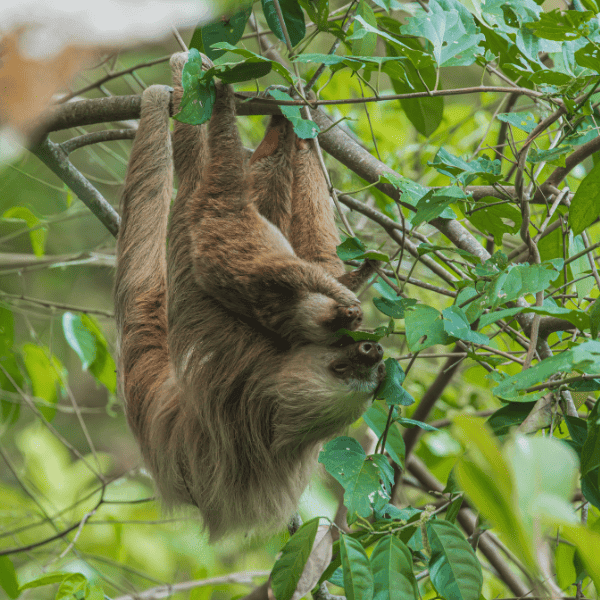
Paying to pose with sloths, caimans, snakes, or other wildlife for pictures is another harmful activity—and it is illegal in Brazil. These animals are kept in captivity simply to serve as props for tourist selfies.
Real wildlife sightings are spontaneous, like a river dolphins surfacing beside the canoe or a sloth spotted by your guide, and none is guaranteed. Bring binoculars, keep your distance, and let the animals set the pace.
👉 Read more: 10 fascinating facts about the Amazon pink river dolphin
9) Buy Souvenirs From Local Makers
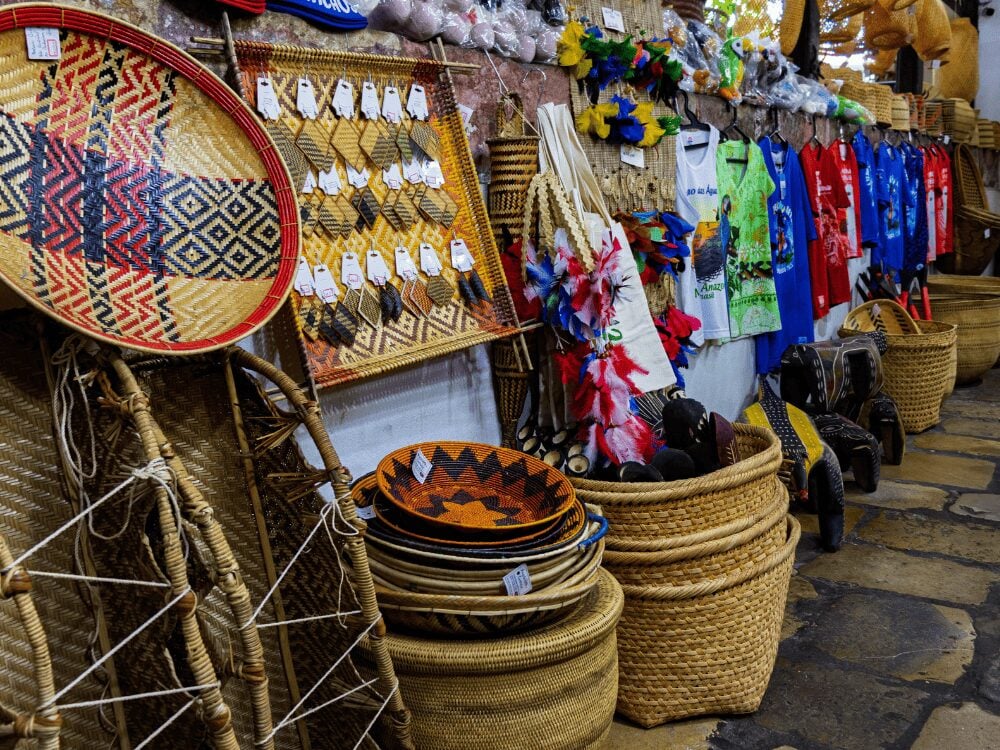
Buying straight from Indigenous artisans and small producers keeps your money in the region and gets you pieces with a known origin. If you’re looking for authentic souvenirs to take home, try these places:
- GaleriAmazônica (R. Costa Azevedo, 272): work from at least 15 Indigenous peoples, labeled with the group and materials.
- Praça Tenreiro Aranha (R. Guilherme Moreira, 53) and Largo de São Sebastião (R. 10 de Julho, s/n): craft stalls and shops in the Centro, with seed jewelry, baskets, and hammocks.
- Shops in the tourist core: convenient, but pricier for the same items.
Steer clear of any items crafted from animal skins, claws, teeth, or feathers. Purchasing or selling these products is illegal under Brazilian law, and exporting them requires official authorization from Ibama, the national environmental agency.
10) Take Care of Your Health in the Equatorial Heat
According to INMET (Brazil’s weather service), average highs in Manaus range from 31 °C in February to 34.1 °C in September, with 75–86% humidity.
To cope with the heat, drink bottled water all day, wear SPF 30+ and a hat, and choose light, long-sleeved clothing.
Vaccines and mosquitoes
- Yellow fever: not required to enter Brazil, but it is recommended for the state of Amazonas. Get it at least 10 days before the trip and 30 days apart from the measles vaccine.
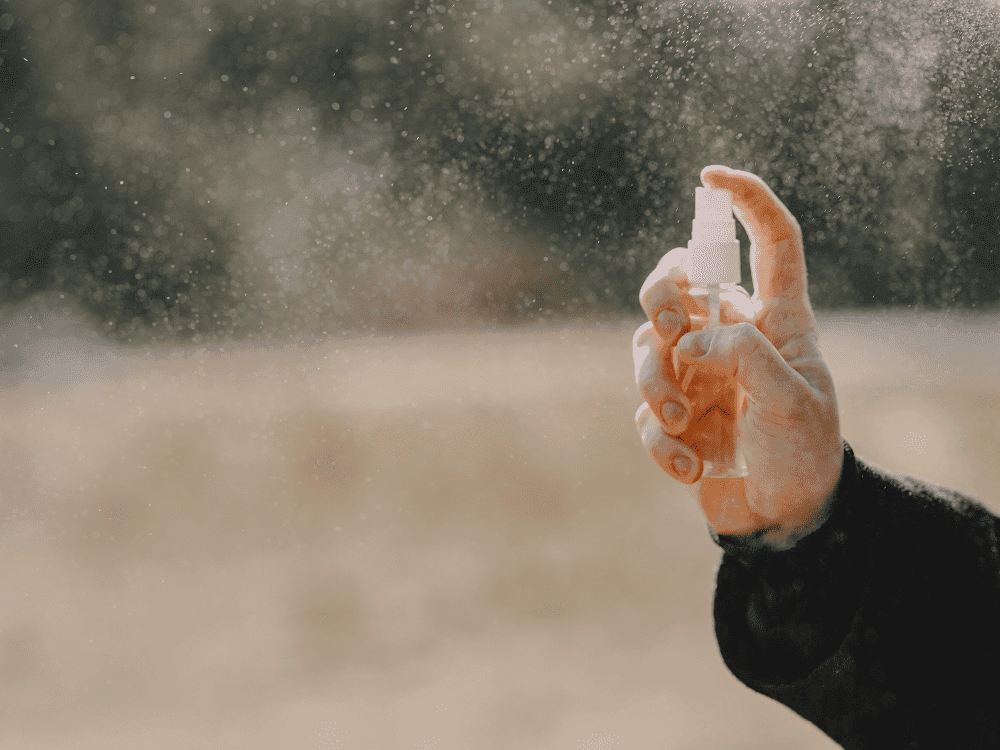
- Malaria and dengue: the primary way to prevent mosquito-borne diseases is to avoid them. Use a repellent containing at least 20% DEET or picaridin, prioritize clothing that covers the skin, and keep windows and doors closed at night. Hotels in the area are usually equipped with mosquito nets.
Medical emergencies
Emergency medical services in Brazil are provided free of charge through the public health system, SUS, which covers international travelers as well. In Manaus, the main public emergency hospital is the Hospital e Pronto-Socorro 28 de Agosto in Adrianópolis.
Because private healthcare facilities require payment or comprehensive coverage, and jungle lodges sit hours away from medical care, securing travel insurance that includes medical evacuation alongside all planned activities is essential.
👉 Read more: Is It Safe to Visit the Amazon Rainforest? A Complete Safety Guide for Brazil
Plan Your Amazon Tour From Manaus in Brazil with PlanetaEXO
Now that you know how to enjoy the city, Manaus can be much more than a layover on the way to the rainforest.
PlanetaEXO is an ecotourism platform specializing in adventure tours in Brazil. We work with the best local operators in the Amazon and handle every detail of your trip, from the hotel pickup in Manaus to tailor-made itineraries in the forest. Contact us now!
Keep reading
October 1, 2026
PlanetaEXO’s new mini-doc showcases ecotourism in Lençóis Maranhenses
In “Lençóis Maranhenses: Far From The Crowds, Close To What Matters”, PlanetaEXO’s mini-doc shows how ecotourism is changing life for local communities.
September 30, 2026
Best Dive Sites in Fernando de Noronha: 21 Spots by Depth and Level
The 21 best dive sites in Fernando de Noronha, with depth, seaside, and level for each, from 8 m beginner reefs to the 62 m Corveta Ipiranga wreck.
September 28, 2026
Lovely, Overwhelming, Total Joy: Maja’s 15-Year Wait for Lençóis Maranhenses
15 years of waiting, a 6-day full itinerary, and dunes like snow: a retired Slovenian professor’s honest account of Lençóis Maranhenses.