
Where the falls are, how to get there, when to go, what a ticket covers on each side of the border, and how many days the trip actually takes.
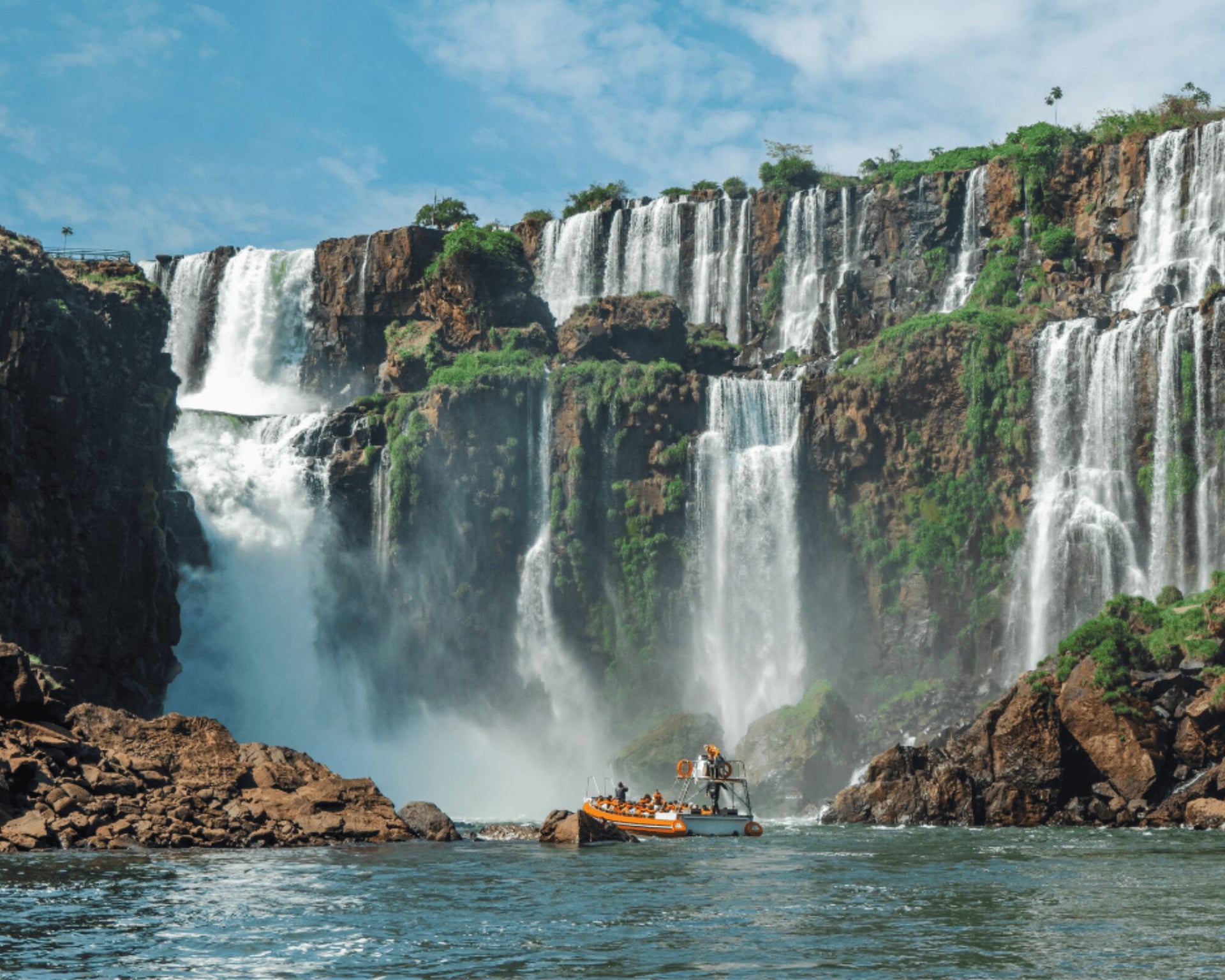
Iguazu Falls is a system of 275 separate drops spread across nearly 2,700 meters of the Iguazu River, on the border between Brazil and Argentina, falling from a height of up to 80 meters. UNESCO inscribed the Argentine park in 1984 and the Brazilian park in 1986. Bigger than Niagara, the two protect the largest surviving block of Interior Atlantic Forest anywhere.
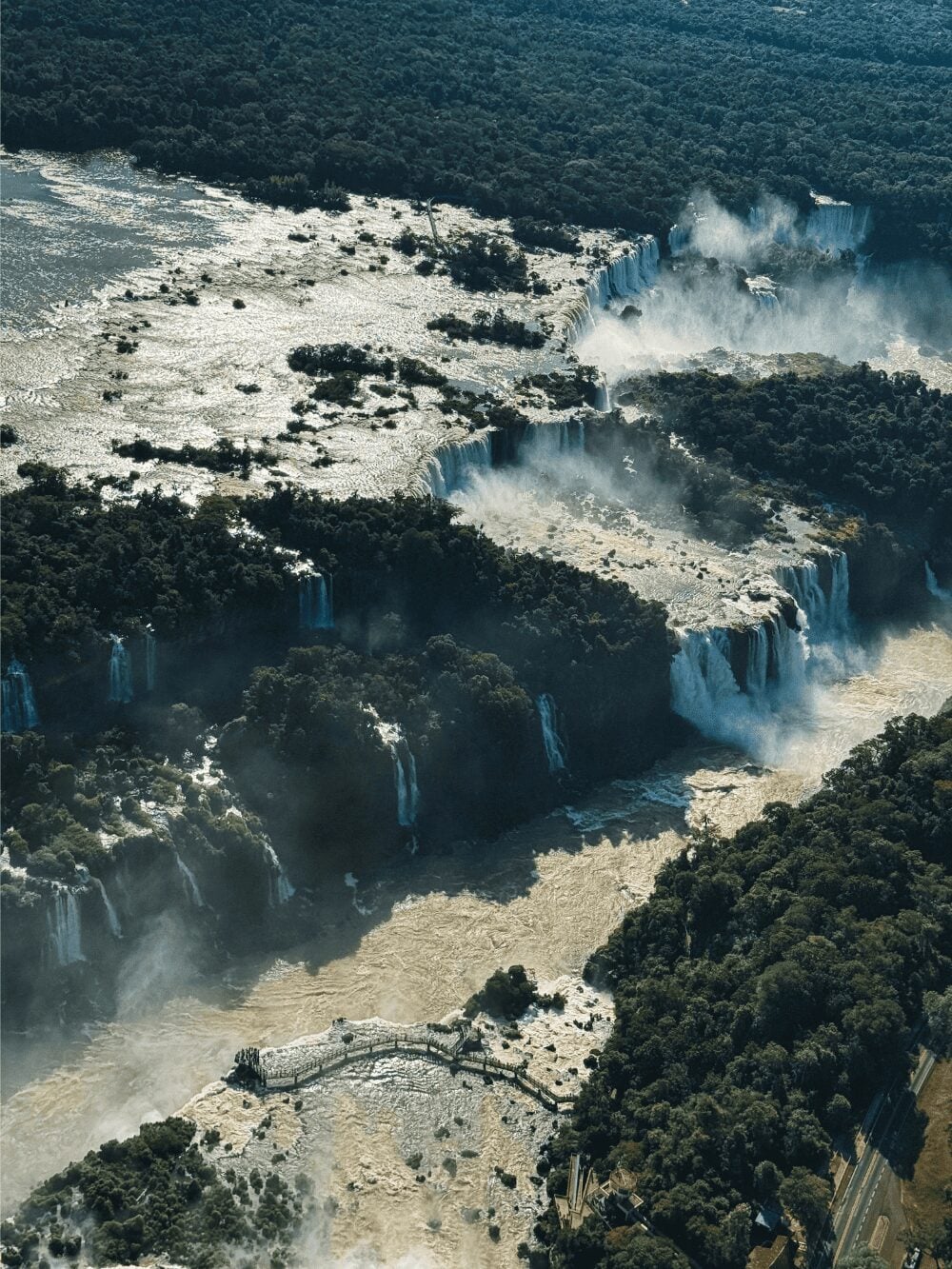
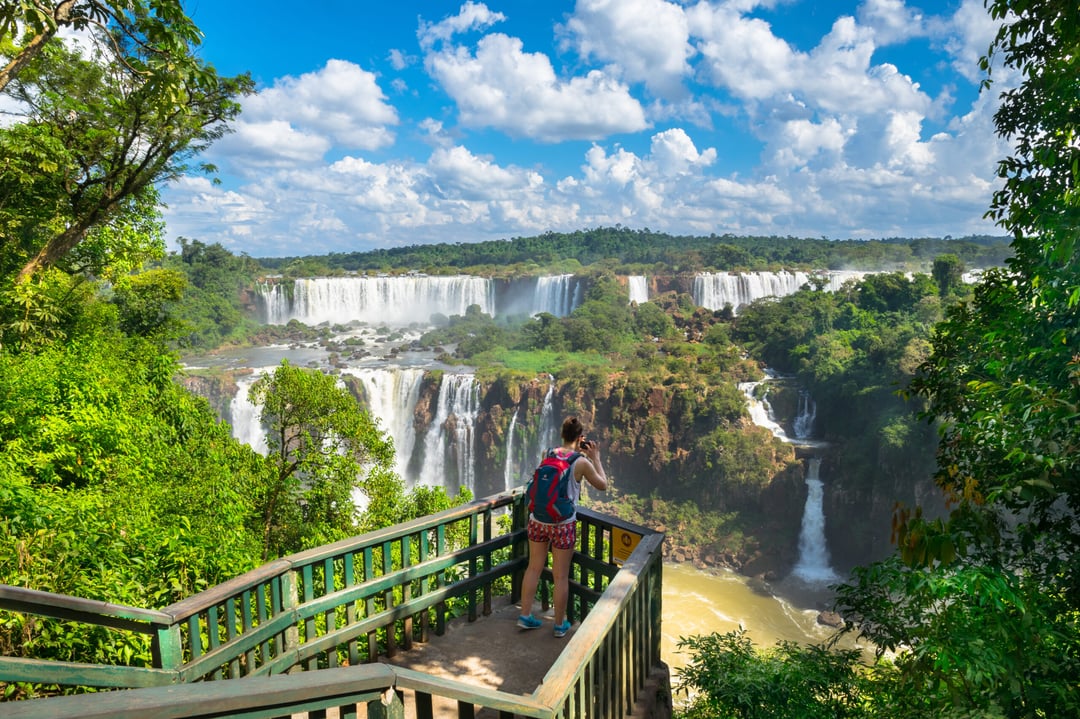
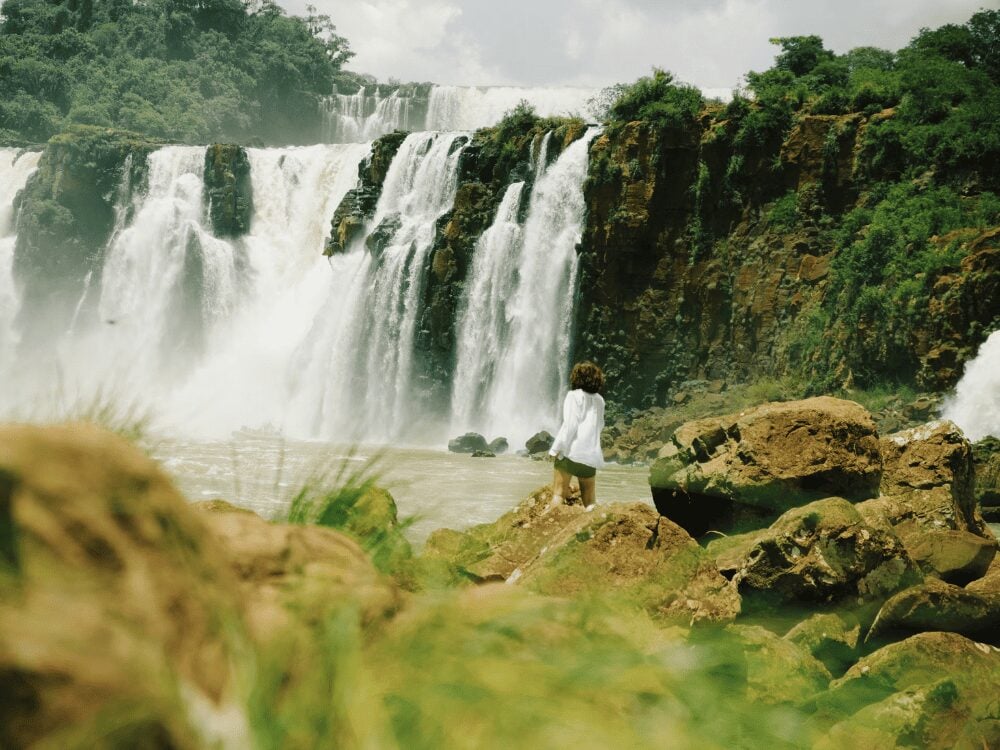
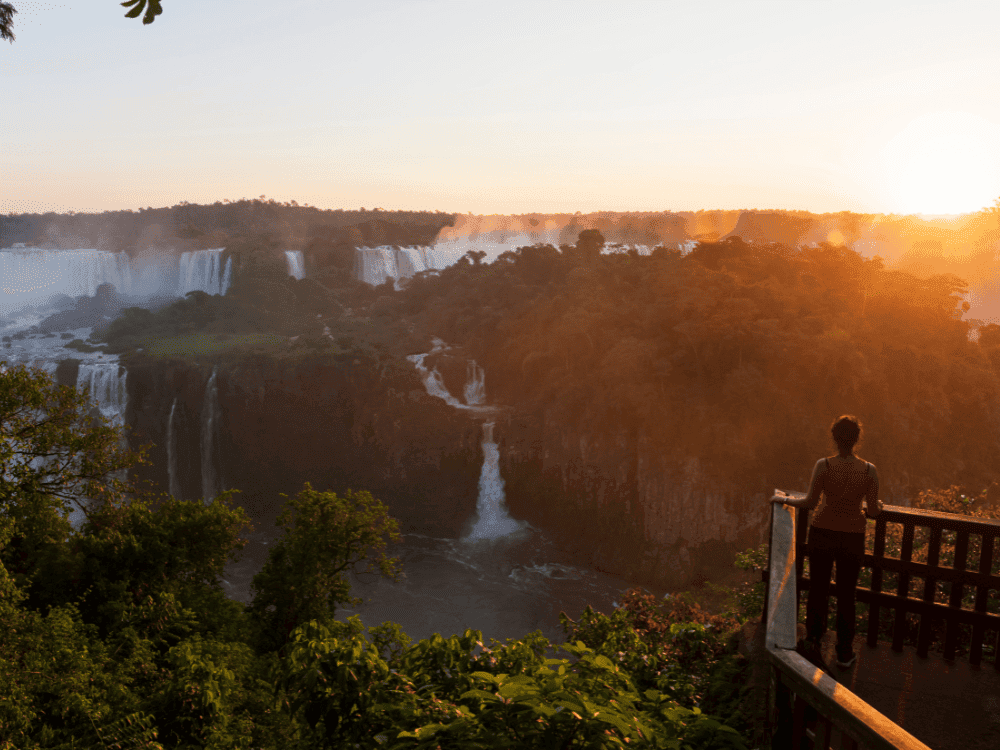
The border splits the falls unevenly. Roughly 80% of the cascades sit on the Argentine side and about 20% on the Brazilian side—which is exactly why Brazil gives you the view. Standing along the platform’s outer rim, you can see the entire cascading network open up before you all at once.
PlanetaEXO, an ecotourism company specializing in Iguazu Falls tours, has put together this travel guide to help you plan every stage of the trip, with the Brazilian side as your base and the Argentine side as the day you add to it. Check it out below!
Where is Iguazu Falls?
Iguazu Falls sits on the Iguazu River at the point where Brazil and Argentina meet, about 25 kilometers upstream from where the Iguazu empties into the Paraná.
On the Brazilian side, the gateway city is Foz do Iguaçu, in the far west of Paraná state. On the Argentine side, it is Puerto Iguazú, in Misiones province. Paraguay’s Ciudad del Este sits across the Paraná from both, which is why the area is known as the Triple Frontier.
Foz do Iguaçu is a city with 285,415 residents, according to the 2022 Census, which means it offers everything a tourist needs: hotels, restaurants, hospitals, and an airport.
One naming note that saves confusion when you start booking. The Brazilian park is Parque Nacional do Iguaçu, and the Argentine one is Parque Nacional Iguazú. In other languages, it’s common to find different spellings, like Iguaçu, Iguazú, and Iguassu.
Here is a map of Iguazu Falls National Park and the border region, with Foz do Iguaçu, Puerto Iguazú, and Ciudad del Este all in frame:

How to get to Iguazu Falls
By plane
There are two Iguazu Falls airports, one in each country. On the Brazilian side, it is Foz do Iguaçu/Cataratas International (IGU), about 13 kilometers from the city center and, usefully, right on the road to the national park, whose entrance is roughly 10 minutes away.
There are daily flights from Brazilian cities, such as São Paulo, Rio de Janeiro, Brasília, Curitiba, Porto Alegre, and Recife. The only direct international flight connects Foz do Iguaçu to Santiago do Chile (SCL) a few times a week.
Argentina has its own airport, Cataratas del Iguazú International (IGR), with flights from Buenos Aires, making an open-jaw route into one country and out of the other entirely feasible.
By car and bus
Driving is straightforward. Foz do Iguaçu connects to the rest of Paraná by the BR-277, a paved federal highway, and the trip from Curitiba takes about 9 hours over 640 kilometers.
Rental cars are available at the airport. Inside the national park, you park at the Visitor Center and switch to the park’s own buses, which are included in the ticket. Private vehicles do not continue to the falls.
Locally, there are municipal buses that go from the city-center terminal to the park entrance, passing the airport and the Parque das Aves on the way. To make things easier and more comfortable, most travelers use a hotel transfer, a taxi, or a guided tour.
Crossing to the Argentine side
The Argentine park is reached by crossing the Tancredo Neves Bridge to Puerto Iguazú, then driving 17 kilometers to that park’s entrance—about 45 minutes to an hour from Foz do Iguaçu hotels, plus whatever the border queue costs you.
When is the best time to visit Iguazu Falls?
There is no bad month. The falls run all year, and both parks are open 365 days. The weather in Foz do Iguaçu is humid subtropical with distinct seasons.
Summer (December to March) is hot and wet, with highs clearing 32°C and the heaviest rain in January and February, which is also what makes the flow most powerful. Winter (June to August) is dry and clear, between about 10°C and 23°C.
The best time to visit Iguazu Falls is the shoulder season, roughly March to May or August to October. You get warm days without February’s heat, water levels still fed by the summer rains, and none of the January or July crowding.
Regardless of the season, try to avoid scheduling your trip during Brazilian or Argentine national holidays, as travelers from both nations flock to the park during these periods.
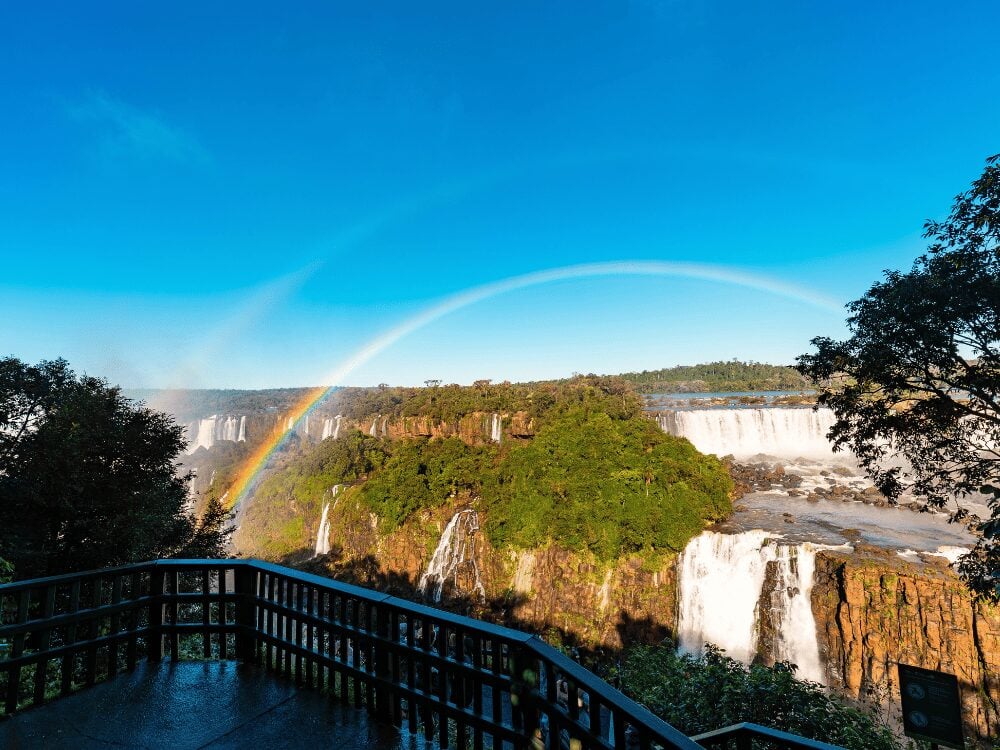
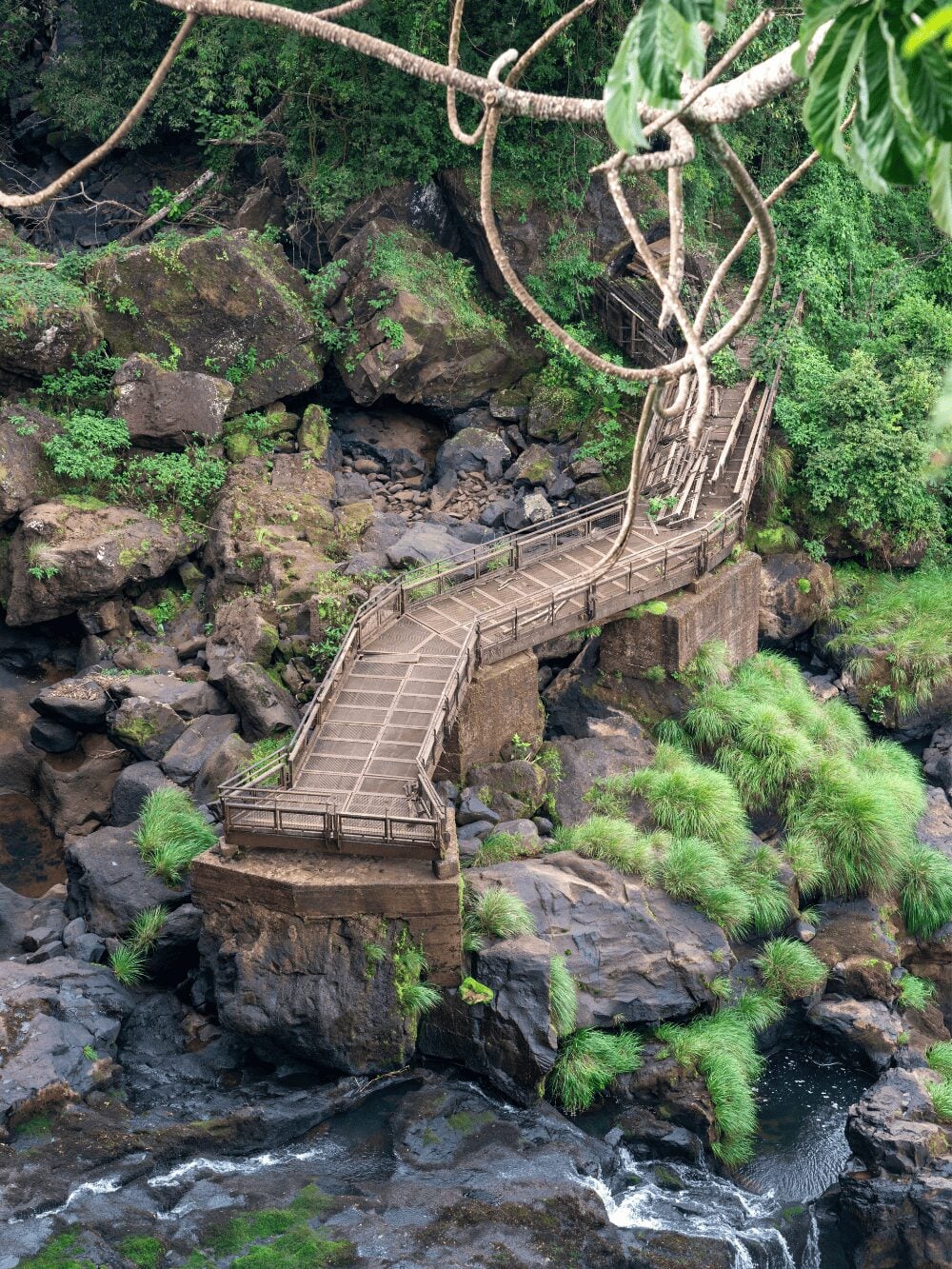
One thing no monthly average captures: extreme flow events. When upstream rain raises the Iguazu River high above baseline, authorities temporarily close the closest boardwalks on both sides for safety. Most main trails and vistas stay open, but it’s worth checking official updates on the day of your visit. In the biggest floods, the Argentine park can close the Devil’s Throat walkway for weeks and even dismantle sections of it.
👉 Read more: 10 Facts About Iguazu Falls
The two national parks: access, tickets, and rules
Since the cascades straddle an international border, distinct management teams operate each park under separate government mandates. As a result, a ticket bought on one side will not grant access to the other.
Overlooking this detail remains one of the most common mistakes visitors commit. Plan on securing individual entry for each location, with both sites maintaining their own operating hours, admission rates, and visitor guidelines.
Iguaçu National Park (Brazil)
Covering 169,695 hectares of Paraná state, the Brazilian park was created in 1939, expanded in 1944 and 1981, and designated a UNESCO World Heritage site in 1986. Managed by ICMBio, its visitor services are operated under concession by Urbia Cataratas.
Entry in 2026 costs R$ 134 for foreign visitors and R$ 121 for Brazilians and Mercosur citizens, with a R$ 26 community pass for residents of the 14 surrounding municipalities. Prices may change, so confirm the current rates on official channels before you go.
Entry hours run from 9 AM to 4 PM on weekdays and open half an hour earlier, at 8:30 AM, on weekends and holidays. Once inside, you can stay until 5:30 PM regardless of when you entered.
Tickets are sold preferentially online at the Iguaçu National Park’s official website. Booking a date and time slot when you buy is strongly recommended in high season.
Iguazú National Park (Argentina)
The Argentine park covers 67,000 hectares in Misiones. Created in 1934 and designated by UNESCO in 1984, it is managed by the Administración de Parques Nacionales alongside concessionaire Iguazú Argentina.
Operating hours run daily from 8 AM to 6 PM (last entry at 4:30 PM). Admission fees are set in Argentine pesos using a tiered structure based on nationality, with international tourists charged the standard full rate.
One Argentine rule is worth planning around: a second consecutive day costs 50% of the original fee, provided you get your ticket validated before leaving on day one, within 72 hours.
What to do in Iguazu Falls
Beyond the main half-day walkway, visiting Iguazu Falls in Brazil offers exhilarating boat tours, jungle paths, sunrise and night access, a massive hydroelectric dam, and a three-nation landmark. See some activities below!
The Cataratas Trail and the Devil’s Throat viewpoint
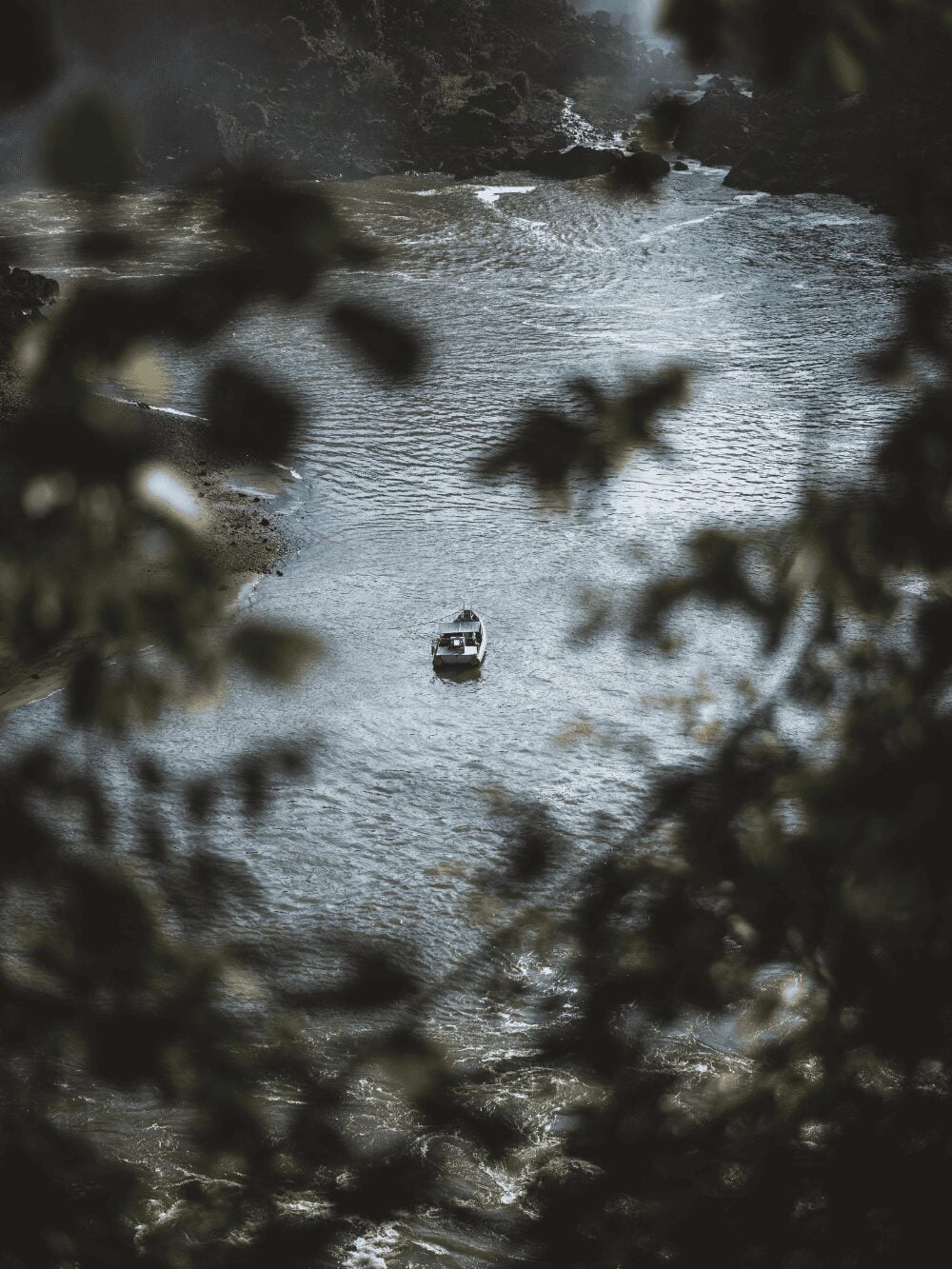
Trilha das Cataratas is a 1.4-kilometer path along the canyon rim that delivers, in sequence, the panorama the Brazilian side is famous for: the falls opening up across the gorge, closer and louder at every bend.
The trail leads to the Devil’s Throat walkway over the river, facing the main drop, ending with a panoramic elevator to Porto Canoas. The route is paved, step-free, and fully accessible, with internal buses connecting directly to the elevator.
Macuco Safari
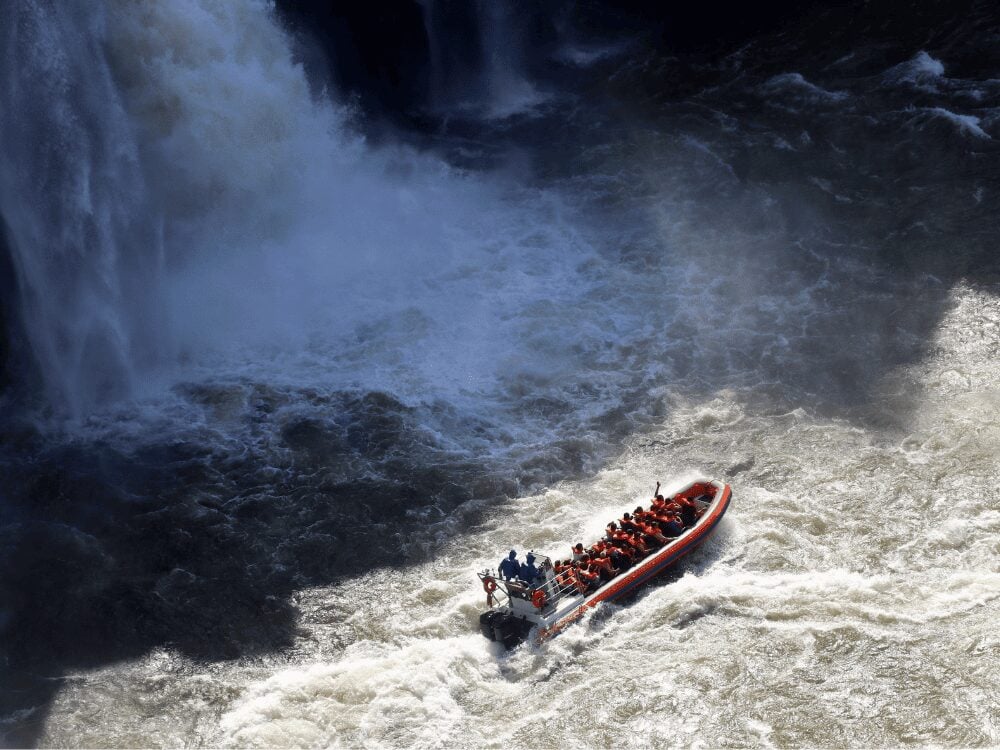
A top choice for travelers visiting Iguazu Falls in Brazil, the thrilling Macuco Safari boat tour brings you right beneath the cascading waters.
It runs in three stages: 2 kilometers through the forest in an electric vehicle, a 600-meter guided walk with a bilingual guide, and then the boat itself—roughly 25 to 30 minutes on the Iguazu River, ending directly beneath the falls.
Plan for two hours total and expect to get soaked. Boats depart every 20 minutes without advance booking, but park entry is separate. Dry bags are provided for cameras and phones; everything else you are wearing is going to get wet, so bring a change of clothes.
Hiking trails
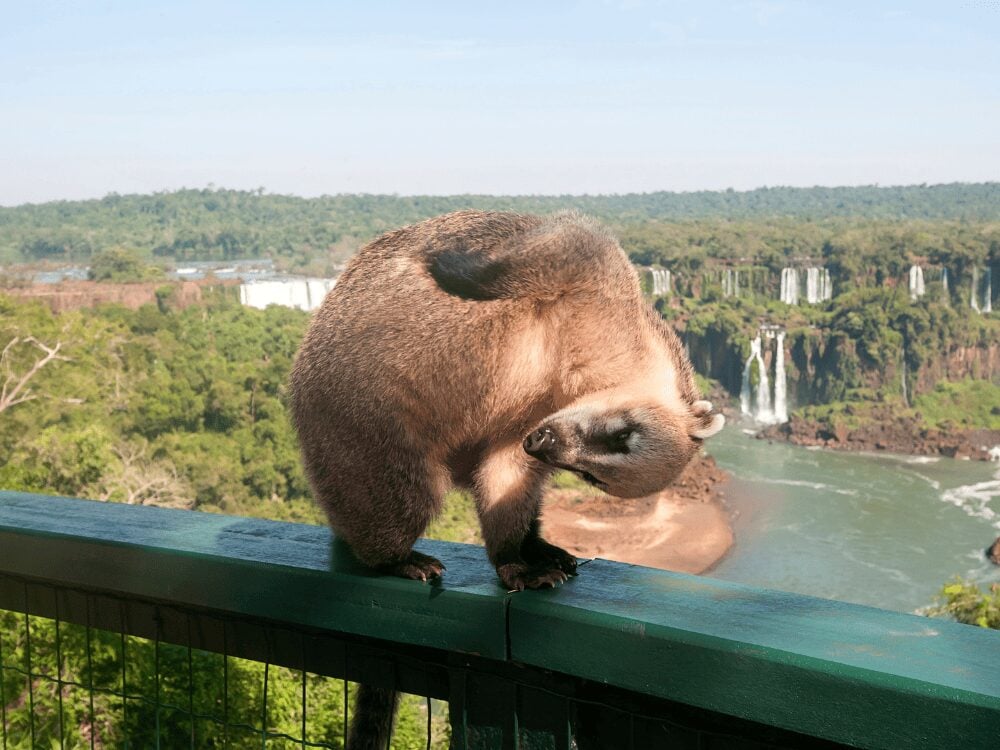
Most visitors never leave the main walkway, which means the rest of the park is quiet. For those seeking an immersive nature experience, the Poço Preto trail stretches 9.6 km each way through the heart of the Atlantic Forest down to the Iguazu River. Walkable or bikeable, it provides your best opportunity to spot local wildlife beyond the coatis.
The shorter ones are also worth the visit: Caminho das Bananeiras (1.3 km to a riverbank deck), Circuito São João (1.9 km past waterfalls and an old power station), and Trilha da Canafístula (2.2 km, the shadiest).
Sunrise, sunset, and the full moon
For visitors seeking the top value in Foz do Iguaçu, securing one of the park’s limited special-hours experiences is unmatched.
Early risers can take the sunrise tour to access the walkway prior to public opening hours, with breakfast included. Alternatively, the sunset option grants exclusive late-day entry, with the option to include a stargazing session.
The full moon tour runs roughly five nights monthly after dark, offering a view of a moonbow (a night rainbow in the spray). Guests at the Belmond Hotel das Cataratas, the only hotel inside Iguaçu National Park, enjoy exclusive walkway access before and after public hours.
👉 Explore the adventure: 3-Day Luxury Iguazu Falls Tour
Parque das Aves
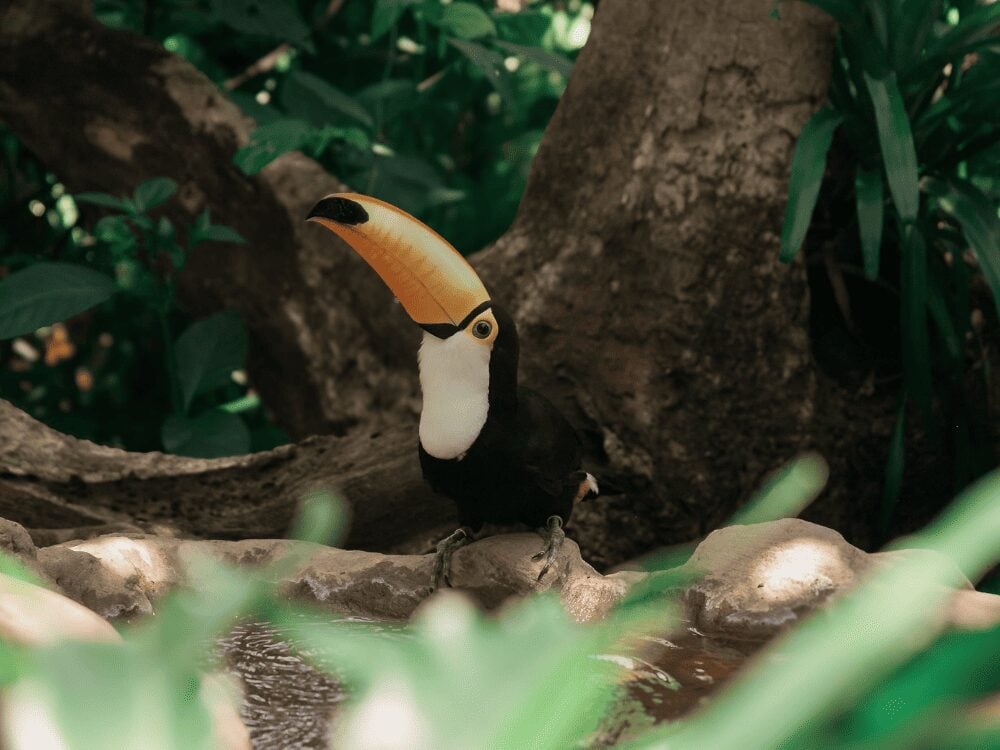
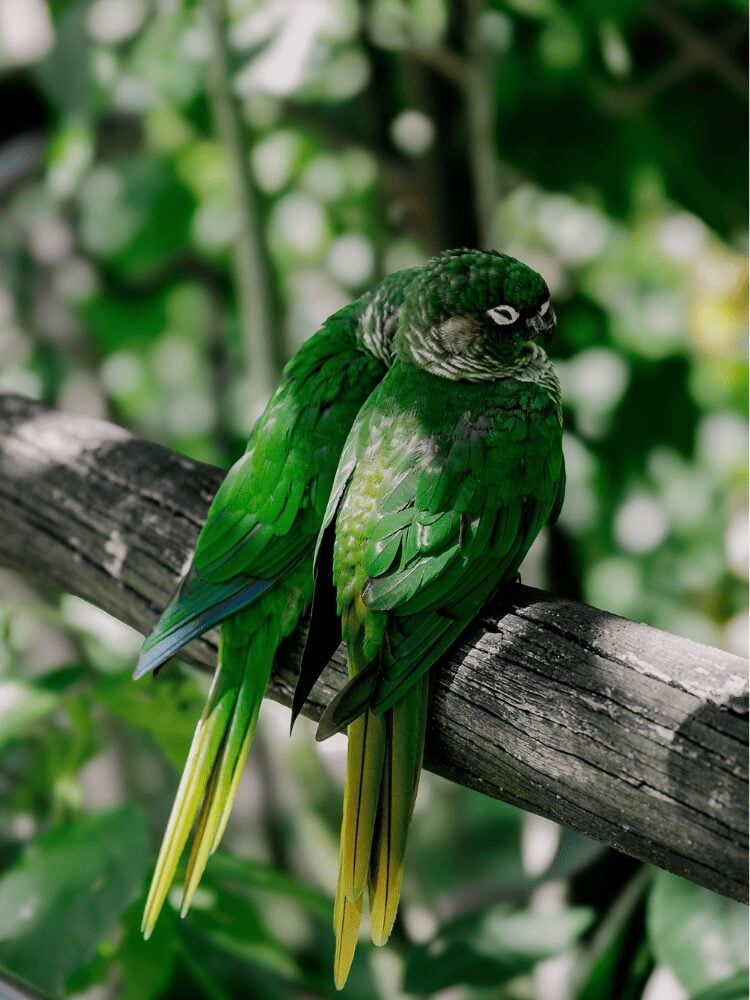
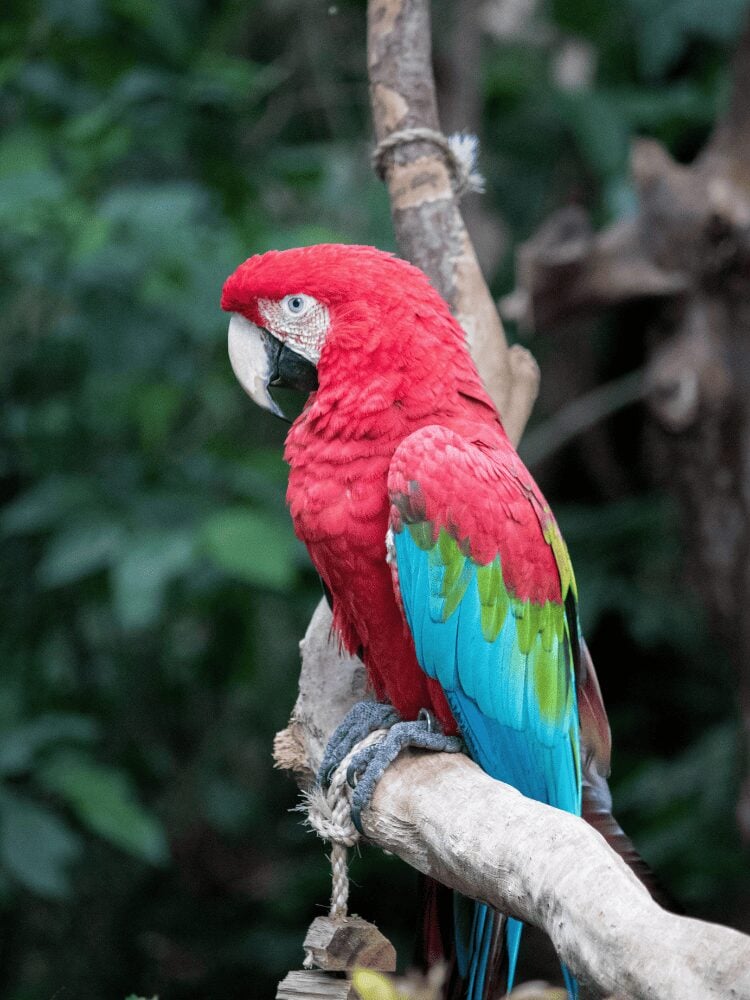
Across the road from the park entrance, Parque das Aves is the largest bird park in Latin America and a serious conservation institution rather than a roadside attraction. Opened in 1994 across 16 hectares of forest, it holds more than 1,300 birds from over 150 species, with a focus on threatened Atlantic Forest species and rescued animals that cannot be returned to the wild.
What makes it work is the design: walk-through aviaries let you stand inside the enclosure with toucans, macaws, and hummingbirds moving around you.
Plan for roughly two hours to explore Parque das Aves. Since it lies just five minutes from the main park entrance, combining it with a morning at the falls is effortless, making it the top activity in Foz do Iguaçu for families traveling with kids.
The Argentine side
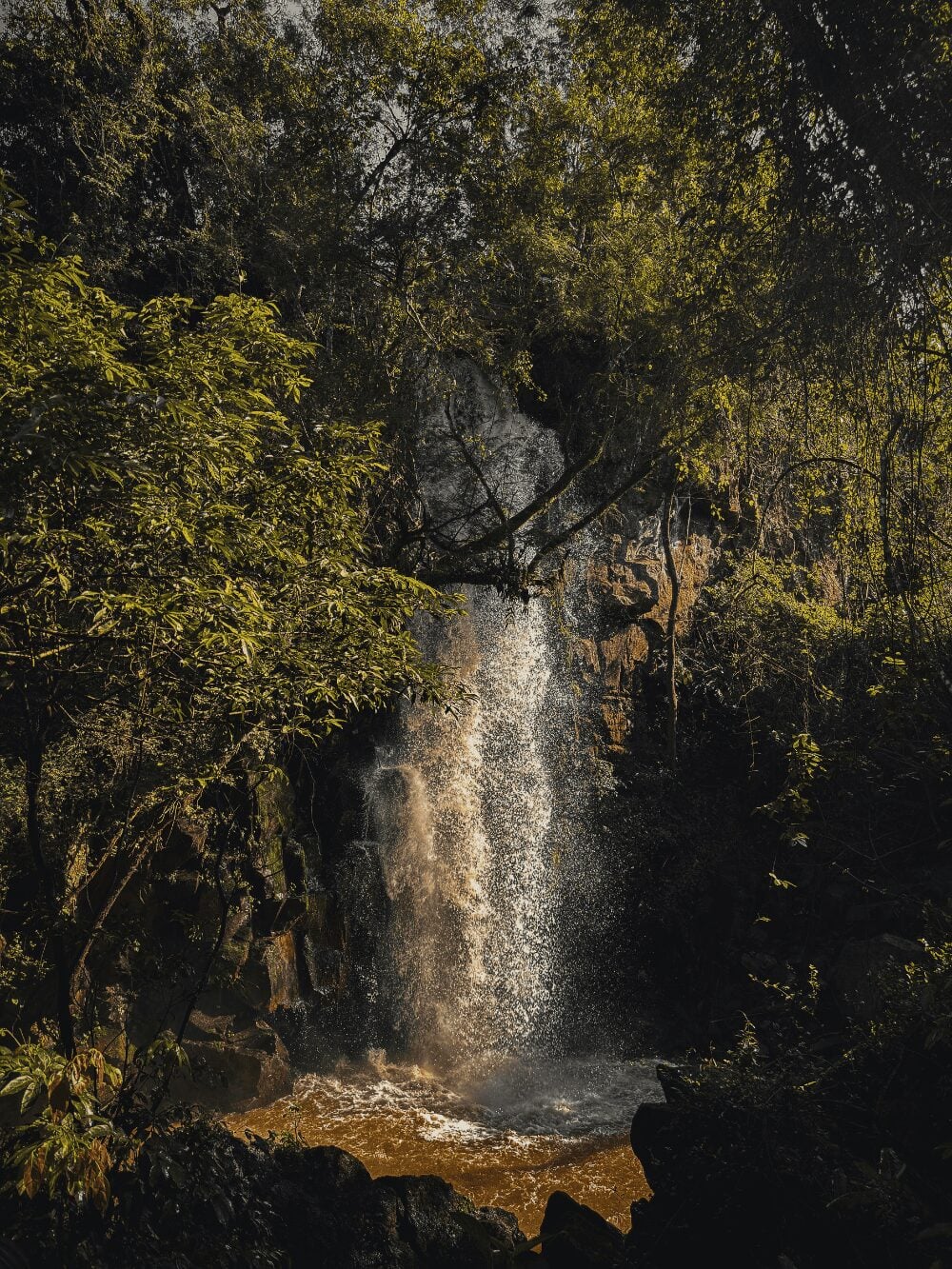
The Argentine park is where you walk among the falls rather than opposite them, and it takes a full day. Here is what a ticket gets you:
- Circuito Superior: 1,755 meters along the tops of the cascades, completely step-free, about an hour.
- Circuito Inferior: 2,900 meters descending toward the river, roughly 90 minutes, with access to the pier for the Argentine boat rides.
- Tren Ecológico de la Selva: included in the ticket. First departure at 8:30 AM, every 30 minutes, last service toward the Devil’s Throat station at 3:30 PM.
- Devil’s Throat walkway: reached by that train, crossing the upper Iguazu River to the lip of the main drop. It is the first walkway to close when the river runs high.
- Sendero Verde and Sendero Macuco: two forest trails within Iguazú National Park, both walkable without a guide.
- Yvyrá Retá visitor center and Yaguareté Territory: the park’s exhibits, the second one on jaguar conservation.
Beyond the falls: Itaipu and the Three Borders Landmark
Beyond the falls, Foz do Iguaçu is famous for the monumental Itaipu Dam. Boasting an installed capacity of 14,000 MW from 20 generating units, it established an annual world record of 103.1 million MWh in 2016 and surpassed 3 billion MWh generated since 1984.
Visitors can take the Itaipu Panorâmica double-decker bus tour to the observation decks (around 2.5 hours) or opt for the Itaipu Especial to step inside the plant to view the control room and turbines.
Another option is the Three Borders Landmark (Marco das Três Fronteiras), which stands at the exact confluence of the Iguazu and Paraná rivers, where Brazil, Argentina, and Paraguay meet—three countries visible from one spot, each with its own obelisk. It opens Tuesday to Sunday from 2 PM to 9 PM, with cultural performances from 6:15 PM.

What to pack
When you’re visiting Iguazu Falls in Brazil or Argentina, getting wet is part of the experience. The list below covers both sides of the border and the full range of seasons:
- Rain jacket or poncho (the park sells them, but it’s good to bring your own).
- Quick-dry clothing and a full change of clothes for Macuco Safari days.
- Comfortable walking shoes with grip, plus sandals or shoes that can get wet.
- Waterproof phone case or dry bag.
- Sunscreen and a hat (the walkways are long and largely unshaded).
- Insect repellent.
- Refillable water bottle.
- Light layers for June to August, when lows reach 10°C.
- Photo ID or passport for the Argentine side (physical document, not a photo on your phone).
- Cash (reais for Brazil and pesos for Argentina).
How many days in Iguazu Falls do you need?
For most travelers, a stay of three days and two nights hits the sweet spot. This allows a full day to explore the Argentine side, half a day for the Brazilian side, and a comfortable buffer for flight schedules to prevent unexpected delays from interfering with your itinerary.
While two days is a tight squeeze, it is doable—just barely. Completing the Brazilian walkway takes about two hours, easily fitting onto a single day alongside Parque das Aves or the Macuco Safari. However, adding the Argentine side to a two-day trip requires rushing through border crossings, nearly 7 kilometers of walking, and tight return schedules, making the experience feel overly rushed despite seeing the falls.
Four or five days is where the trip opens up. The extra time buys the Poço Preto trail, Itaipu, the Three Borders Landmark at sunset, a second Argentine day, and—if the calendar cooperates—the full moon tour. It also means you can move a plan when the weather or the river does not cooperate, which at Iguazu is worth more than it sounds.
👉 Explore the adventures: Iguazu Falls Private Tour: 3-Day Budget Trip in Brazil
Visiting Iguazu Falls in Brazil with PlanetaEXO
Now that you know how to get there, when to go, what each ticket covers, and how many days the trip takes, the only thing left is to choose your itinerary.
PlanetaEXO is an ecotourism platform specializing in Iguazu Falls tours. Working with the best local operators in Foz do Iguaçu, we handle transfers, tickets on both sides of the border, and timing, so all you have to do is enjoy yourself. Contact us now!
Keep reading
September 25, 2026
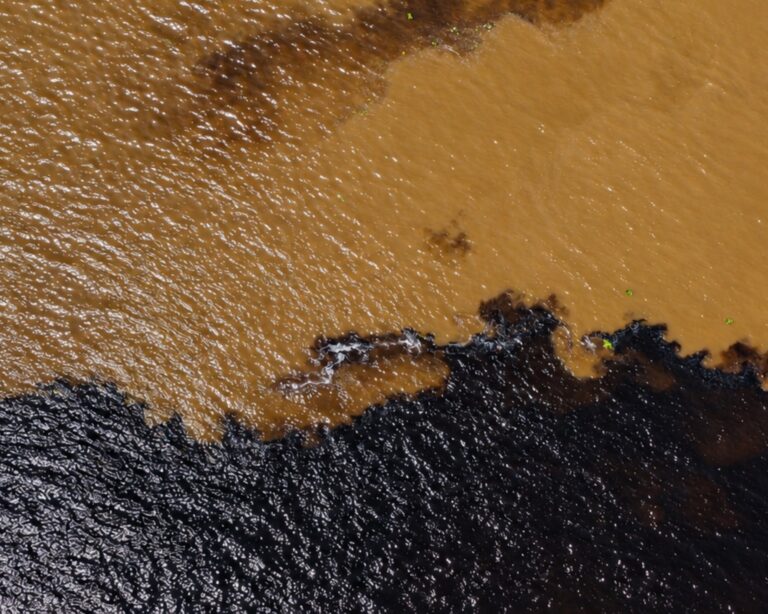
Meeting of Waters in Manaus, Brazil: Why the Rio Negro and the Solimões Don’t Mix
Why don’t the Rio Negro and Solimões mix? The science behind the Meeting of Waters in Manaus, its place in Brazilian culture, and how to see it.

September 23, 2026
PlanetaEXO’s new mini-doc showcases ecotourism in Lençóis Maranhenses
In “Lençóis Maranhenses: Far From The Crowds, Close To What Matters”, PlanetaEXO’s mini-doc shows how ecotourism is changing life for local communities.

September 23, 2026
10 Facts About Onçafari, Brazil’s Jaguar Conservation Project
Discover 10 facts about Onçafari: its racing-driver founder, jaguar habituation, results in 4 biomes, and where to see the project in Brazil.